

Understanding the Causes of Bedsores (Pressure Ulcers)
Bedsores — known in clinical settings as pressure ulcers, pressure injuries, or decubitus ulcers — are areas of damaged skin and underlying tissue caused primarily by prolonged, unrelieved pressure. They range from mild redness that does not fade when touched to deep, open wounds that expose muscle and bone. While bedsores can affect anyone with limited mobility, they are most commonly seen in elderly residents of nursing homes and long-term care facilities, hospitalized patients, and individuals who use wheelchairs.
Understanding why bedsores develop is essential — not only for prevention, but also for recognizing when a care facility has failed in its duty to protect a vulnerable person.
The Primary Medical Causes of Bedsores
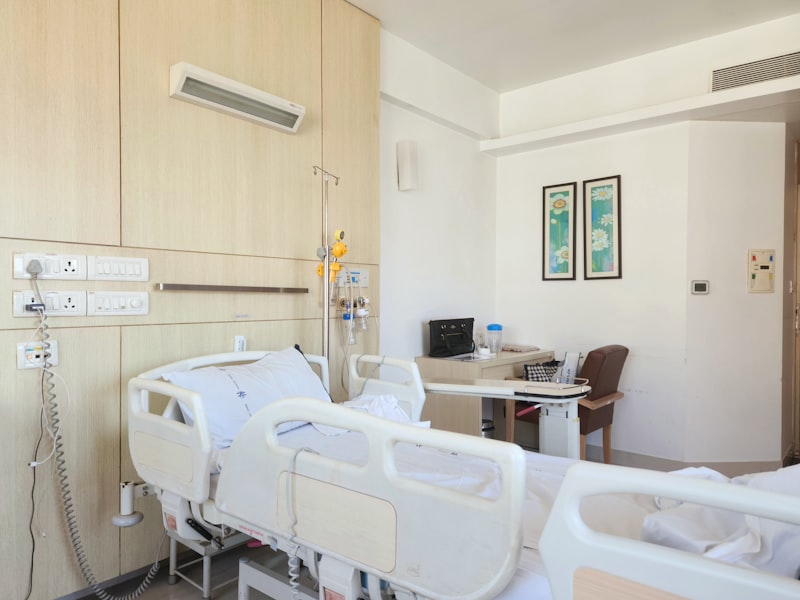
Bedsores do not appear without reason. They are the predictable result of specific, well-understood physical forces acting on the body. Medical literature identifies four primary mechanical causes.
Sustained Pressure
Pressure is the single most significant cause of bedsores. When a person remains in the same position for an extended period — lying in bed or sitting in a wheelchair — the weight of the body compresses the skin and soft tissue against the underlying bone. This compression reduces or cuts off blood flow to the affected area in a process called ischemia.
Without adequate blood supply, the tissue is deprived of oxygen and essential nutrients. If pressure is not relieved, the cells begin to die, and the skin breaks down. The bony prominences of the body — the sacrum (tailbone), heels, hips, shoulder blades, elbows, and the back of the head — are especially vulnerable because there is less cushioning between the bone and the skin surface.
Research published in peer-reviewed medical journals confirms that tissue damage can begin in as little as two hours of sustained, unrelieved pressure. This is why clinical guidelines universally require regular repositioning for at-risk patients.
Friction
Friction occurs when the skin rubs against a surface such as bed linens, clothing, or a wheelchair seat. This rubbing strips away the outermost protective layer of skin (the epidermis), making the area more susceptible to deeper injury. Friction injuries are especially common when a patient is dragged across sheets during transfers rather than being properly lifted.
Repeated friction weakens the skin's structural integrity over time, creating an entry point for infection and accelerating the progression from a superficial wound to a serious ulcer.
Shear
Shear is a less visible but equally dangerous force. It occurs when layers of tissue move in opposite directions — for example, when a patient slides down in a bed that has the head elevated, or when they slump forward in a wheelchair. In these situations, the skin may remain in place against the surface while the deeper tissues and blood vessels shift and stretch internally.
Shear forces can kink or tear small blood vessels beneath the skin, cutting off circulation to the tissue above. This creates damage below the surface that may not be immediately visible, which is one reason why pressure ulcers sometimes appear to develop suddenly when, in reality, the injury has been progressing internally for some time.
Moisture
Prolonged exposure to moisture — from perspiration, urine, feces, or wound drainage — weakens and softens the skin in a process called maceration. Macerated skin is significantly more fragile and more susceptible to breakdown from even mild pressure or friction.
Incontinence is one of the most common risk factors for bedsores in nursing home residents. When a patient is left in soiled clothing or bedding for extended periods, the combination of moisture and chemical irritation from urine and feces accelerates skin breakdown dramatically.
Additional Risk Factors That Contribute to Bedsores
While the mechanical forces above are the direct causes of bedsores, several medical and environmental factors significantly increase a person's vulnerability.

Immobility and Limited Mobility
Patients who cannot reposition themselves — due to paralysis, sedation, post-surgical recovery, cognitive impairment, or severe weakness — rely entirely on caregivers to relieve pressure. When that care is not provided consistently, bedsores are virtually inevitable. Immobility is the single strongest predictor of pressure ulcer development.
Malnutrition and Dehydration
Proper nutrition is critical for maintaining skin health and tissue repair. Patients who do not receive adequate calories, protein, vitamins (particularly vitamin C), and minerals (particularly zinc and iron) are far more likely to develop bedsores and far less likely to heal from them.
Dehydration reduces skin elasticity and compromises circulation, making the tissue even more vulnerable to pressure damage. In nursing home settings, malnutrition and dehydration are frequently indicators of neglect — signs that residents are not receiving the basic care they need to survive, let alone heal. To learn more about this connection, read our guide on what are bedsores.
Impaired Circulation
Conditions that compromise blood flow — including diabetes, peripheral vascular disease, heart failure, and atherosclerosis — reduce the skin's ability to receive oxygen and nutrients. For patients with these conditions, even brief periods of sustained pressure can cause tissue damage that would not occur in a healthy individual.
Sensory Deficits
Patients who have reduced sensation — due to spinal cord injuries, neuropathy, stroke, or diabetes — may not feel the discomfort or pain that would normally prompt a person to shift their position. Without this natural warning signal, pressure continues unchecked until tissue damage occurs.
Advanced Age
Aging naturally thins the skin, reduces subcutaneous fat, and slows circulation. Elderly patients are inherently more susceptible to pressure injuries, which is precisely why nursing homes and long-term care facilities are held to rigorous standards for pressure ulcer prevention.
Medical Devices
Casts, splints, oxygen tubing, catheters, and other medical devices can create localized pressure points that lead to device-related pressure injuries. Caregivers must regularly inspect the skin beneath and around all medical devices and reposition them as needed.
How Bedsores Are Classified
Medical professionals classify bedsores into four stages based on the severity of tissue damage, plus two additional categories for wounds that cannot be fully assessed. Understanding these stages is important because the stage at which a bedsore is discovered often reveals how long the patient went without adequate care. For a detailed explanation, see our article on the stages of bedsores.
- Stage 1: Intact skin with non-blanchable redness — the area appears red and does not turn white when pressed
- Stage 2: Partial-thickness skin loss — the wound appears as a shallow open ulcer or blister
- Stage 3: Full-thickness skin loss — fat may be visible, but bone, tendon, and muscle are not exposed
- Stage 4: Full-thickness tissue loss with exposed bone, tendon, or muscle — a deep, crater-like wound that may involve tunneling or undermining
- Unstageable: The wound bed is covered by dead tissue (slough or eschar) and cannot be assessed until debrided
- Deep Tissue Injury: Intact or non-intact skin with a dark area of discoloration, indicating damage to underlying tissue from pressure and/or shear
Advanced-stage bedsores can lead to life-threatening complications, including bone infections (osteomyelitis), joint infections (septic arthritis), cellulitis, and sepsis — a systemic infection that can be fatal.
The Standard of Care: How Bedsores Should Be Prevented
Bedsores are among the most preventable injuries in healthcare. Decades of medical research and clinical practice have established clear, well-defined protocols that nursing homes and healthcare facilities are required to follow. These are not aspirational goals — they are the minimum standard of care.
Regular Repositioning
At-risk patients must be repositioned at least every two hours when in bed and every one hour when seated in a wheelchair. Repositioning schedules must be documented, and the specific positions used should vary to distribute pressure across different areas of the body. The Centers for Medicare & Medicaid Services (CMS) requires facilities to develop and follow individualized repositioning plans for every at-risk resident.
Pressure-Redistribution Surfaces
Facilities must provide appropriate support surfaces — including pressure-redistribution mattresses, specialized foam overlays, gel cushions, and alternating-pressure devices — based on each patient's individual risk profile. A standard hospital mattress is often insufficient for high-risk patients.
Comprehensive Skin Assessments
Nursing staff must perform regular, documented skin assessments — typically at admission, with every repositioning, and at least daily for at-risk patients. Early identification of Stage 1 changes (non-blanchable redness) is critical because intervention at this stage can prevent progression to a more serious wound.
Nutrition and Hydration Management
Facilities must assess each resident's nutritional status, provide adequate caloric and protein intake, and address any deficiencies promptly. Registered dietitians should be involved in care planning for at-risk patients. Hydration must be monitored and maintained.
Incontinence Management
Prompt cleaning and changing after episodes of incontinence is essential. Moisture barrier creams and absorbent products should be used as part of a comprehensive skin protection plan. Leaving a patient in soiled clothing or bedding is a clear violation of the standard of care.
Staff Training and Adequate Staffing
All direct-care staff must be trained in pressure ulcer prevention, recognition, and reporting. Facilities must maintain sufficient staffing levels to carry out repositioning schedules, skin assessments, and hygiene protocols consistently — 24 hours a day, 7 days a week. For more on how staffing failures lead to injuries, read about the 5 nursing home errors that lead to a lawsuit.
When Prevention Failures Become Negligence
When a nursing home or care facility fails to follow these established protocols, and a resident develops bedsores as a result, that failure may constitute negligence. The development of bedsores — particularly those that progress to Stage 3 or Stage 4 — is widely recognized in both the medical and legal communities as a strong indicator that a patient did not receive appropriate care.
Common failures that give rise to negligence claims include:
- Failure to reposition patients on a regular schedule
- Failure to assess the skin and identify early-stage pressure injuries
- Failure to provide adequate nutrition and hydration
- Failure to manage incontinence promptly and properly
- Failure to use appropriate pressure-redistribution surfaces and devices
- Inadequate staffing that makes it impossible to deliver required care
- Failure to develop an individualized care plan addressing each resident's specific risk factors
- Failure to document care activities, repositioning, and skin assessments
These are not judgment calls or matters of medical opinion. They are established requirements under federal and state regulations governing nursing homes and long-term care facilities. When a facility fails to meet these requirements, and a resident suffers harm as a result, the facility can be held legally accountable.
To understand your legal options in these situations, see our article on whether you can sue for bedsores, or review our guide on the dos and don'ts of pressure ulcers for practical information about protecting yourself or a loved one.
Protecting Your Loved One
If someone you care about has developed bedsores while in a nursing home, hospital, or long-term care facility, it is important to act quickly. Document the wound with photographs, request copies of the medical records, and seek an independent medical evaluation.
The attorneys at Sinel & Olesen, PLLC understand the medical complexities of pressure ulcer cases and have the experience necessary to hold negligent facilities accountable. We know that behind every bedsore is a person who deserved better care — and a family that trusted a facility to provide it.
Contact Sinel & Olesen, PLLC for a free, confidential consultation about your loved one's case.
📍 330 7th Avenue, 10th Floor, New York, NY
📞 212-465-1000