
If someone you love developed sepsis in a nursing home or hospital, you are likely searching for answers — and you deserve them. Sepsis is one of the most dangerous medical emergencies in the world, and when it develops from a bedsore that should have been prevented or treated, it may be the result of negligence. This page explains what sepsis is, how it connects to pressure ulcers (bedsores), when a facility's failure to act crosses the line into neglect, and what your legal options may be under New York law.


What Is Sepsis?
Sepsis is the body's extreme and life-threatening response to an infection. Rather than fighting an infection locally, the immune system begins attacking the body's own tissues and organs. Blood pressure drops. Organs begin to fail. Without rapid treatment, sepsis can kill within hours.
According to the Centers for Disease Control and Prevention (CDC), sepsis contributes to at least 350,000 deaths per year in the United States. In 2019 alone, more than 201,000 Americans died from sepsis-related causes — and three out of four of those deaths occurred in adults aged 65 and older. For elderly nursing home and hospital patients, sepsis is not a remote risk. It is one of the most common causes of death.
Sepsis is not an infection itself. It is what happens when an existing infection — from a wound, a urinary tract infection, pneumonia, or a bedsore — spirals out of control. The infection enters the bloodstream, triggering a cascade of inflammation throughout the body that can damage the heart, lungs, kidneys, and brain.
Sepsis progresses through three recognized clinical stages, each more dangerous than the last:
- Sepsis: An infection has triggered a systemic inflammatory response. The patient may present with fever, elevated heart rate, and rapid breathing. At this stage, prompt antibiotic treatment and supportive care can often prevent further deterioration.
- Severe sepsis: One or more organs have begun to malfunction. The patient may experience difficulty breathing, low urine output, abnormal liver function tests, or changes in mental status. Mortality rates at this stage reach approximately 25%.
- Septic shock: Blood pressure has dropped to dangerously low levels despite aggressive fluid resuscitation. Organs are failing. The mortality rate for septic shock is approximately 40% or higher, and even survivors may face permanent organ damage, limb amputation, or cognitive impairment.
How Bedsores Lead to Sepsis
Bedsores — also called pressure ulcers or pressure injuries — develop when sustained pressure cuts off blood flow to the skin, usually over bony areas like the sacrum, heels, hips, and shoulder blades. They are overwhelmingly preventable with basic nursing care: regular repositioning, proper nutrition, clean and dry skin, and appropriate support surfaces.
When bedsores are not caught early or are left untreated, they progress through increasingly severe stages. A Stage 1 pressure ulcer involves reddened, unbroken skin. By Stage 4, the wound has eaten through skin, fat, and muscle to expose bone, tendon, or joint. These deep, open wounds become breeding grounds for bacteria.
The path from bedsore to sepsis typically follows this progression:
- Pressure ulcer develops due to immobility and inadequate repositioning
- Wound becomes infected as bacteria colonize the open tissue — especially in unsanitary conditions or when wound care is inconsistent
- Infection deepens into surrounding tissue, potentially causing cellulitis, osteomyelitis (bone infection), or abscess formation
- Bacteria enter the bloodstream (bacteremia), seeding infection throughout the body
- Sepsis develops as the body's inflammatory response becomes systemic and begins damaging its own organs
Research published in the National Institutes of Health found that septicemia was reported in nearly 40% of pressure ulcer-associated deaths. Bedsore complications contribute to approximately 60,000 deaths each year in the United States, with nearly 80% of those deaths occurring in patients over 75. Perhaps most alarming: studies have found that 50% of nursing home residents who died from pressure sore complications died within just six weeks of the bedsore's first appearance.
This is not a slow process. A bedsore can progress from early-stage skin damage to a life-threatening systemic infection in a matter of weeks — sometimes days — if caregivers are not vigilant. The elderly are particularly vulnerable because aging weakens the immune system, thins the skin, and slows wound healing. When these patients are also malnourished, dehydrated, or incontinent — conditions that are themselves often signs of neglect — the risk of a bedsore becoming infected and progressing to sepsis increases dramatically.
The Signs and Symptoms of Sepsis
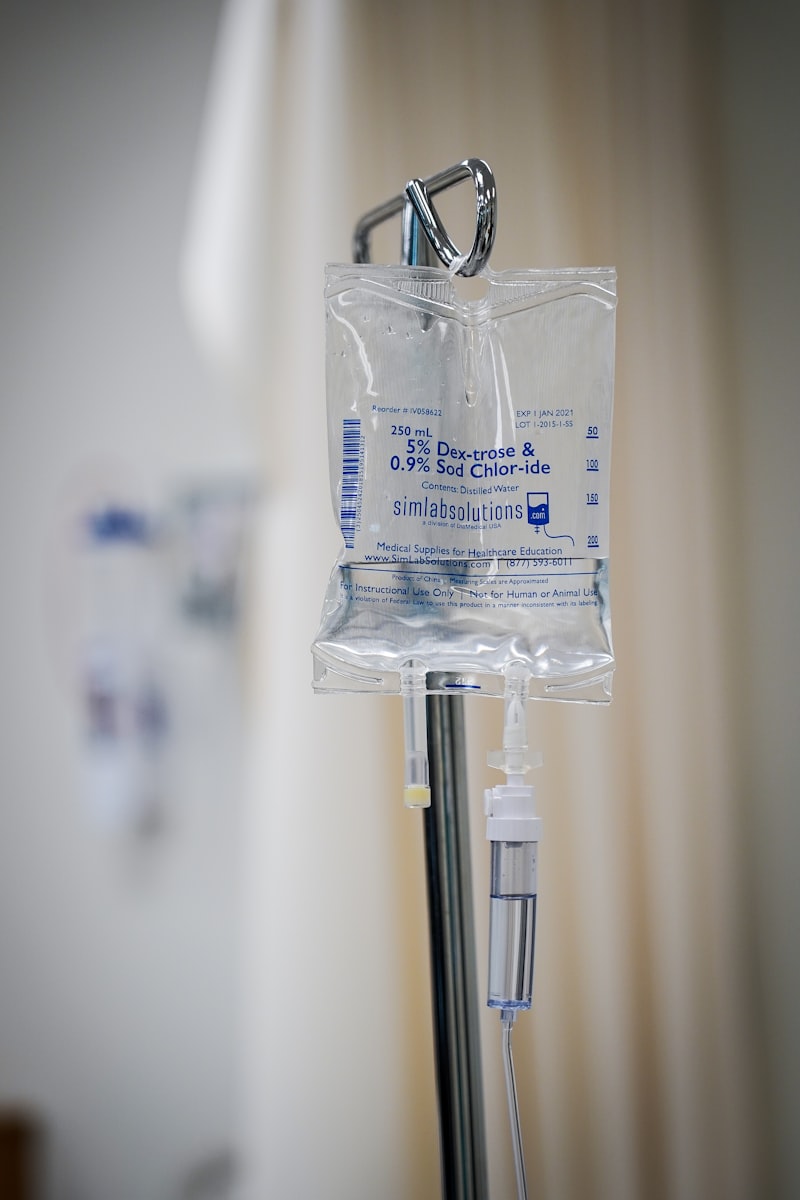
Sepsis often begins subtly, which makes clinical vigilance critical. Trained medical staff should recognize the early warning signs and act immediately. The symptoms of sepsis include:
- Fever or abnormally low body temperature (above 101°F or below 96.8°F)
- Elevated heart rate (above 90 beats per minute)
- Rapid breathing (above 20 breaths per minute)
- Confusion, disorientation, or sudden mental status changes
- Extreme pain or discomfort disproportionate to the visible wound
- Clammy or sweaty skin
- Decreased urine output
In elderly patients, the signs can be more difficult to detect. An older adult with sepsis may not develop a high fever — their temperature may actually drop. Confusion may be dismissed as dementia. A decrease in appetite or energy may be attributed to "just getting older." These are the situations where trained, attentive caregivers make the difference between life and death.
The progression from infection to sepsis to septic shock can happen in a matter of hours. Every hour of delayed antibiotic treatment increases the risk of death. This is why monitoring protocols in nursing homes and hospitals exist — and why failing to follow them can have fatal consequences.
The Standard of Care: What Facilities Are Required to Do
Federal regulations enforced by the Centers for Medicare & Medicaid Services (CMS) impose clear obligations on nursing homes regarding pressure ulcer prevention and wound care. Under CMS Tag F686, nursing facilities must:
- Assess each resident's risk for developing pressure ulcers upon admission and at regular intervals, using validated tools like the Braden Scale
- Implement a prevention plan that includes scheduled repositioning every two hours, nutrition management, skin inspections, moisture management, and appropriate support surfaces
- Provide prompt and appropriate wound care when a pressure ulcer develops, including cleaning, dressing, debridement when necessary, and infection control
- Monitor wounds regularly and document their size, stage, and healing progress at every dressing change and at least weekly
- Revise the care plan if the wound is not improving or shows signs of infection
- Recognize and respond to signs of infection immediately, including ordering cultures, administering antibiotics, and escalating care when needed
Hospitals and long-term care facilities in New York are held to these same standards — and often higher ones — under state health regulations. A facility that fails to perform even one of these duties is potentially liable for the harm that results.
When Sepsis From a Bedsore Equals Negligence
Not every case of sepsis is caused by negligence. Critically ill patients with compromised immune systems can develop infections despite receiving excellent care. But when a patient develops sepsis from an infected bedsore, the question that must be asked is: was the bedsore — and the infection that followed — avoidable?
Under CMS guidelines, a pressure ulcer is considered avoidable when the facility failed to:
- Evaluate the resident's clinical condition and risk factors
- Define and implement appropriate interventions
- Monitor and evaluate the impact of those interventions
- Revise interventions as appropriate
In practice, the following patterns often indicate negligence:
Failure to reposition patients. Immobile patients must be repositioned at least every two hours. When staffing is inadequate or caregivers are inattentive, patients are left in the same position for extended periods, causing tissue breakdown.
Failure to identify bedsores early. Routine skin assessments should catch pressure ulcers at Stage 1, when they are most treatable. If a bedsore is not documented until it reaches Stage 3 or 4, it suggests the facility was not performing adequate assessments.
Failure to treat infected wounds. When a bedsore shows signs of infection — increased redness, warmth, swelling, drainage, odor, or fever — the facility must act immediately. Delayed wound care, inadequate dressing changes, and failure to prescribe antibiotics are common failures.
Failure to monitor for sepsis. Once a wound infection is identified, staff must monitor vital signs and watch for systemic infection. If sepsis signs appear and staff do not escalate care — transfer to an emergency department, order blood cultures, begin IV antibiotics — the delay can be fatal.
Inadequate staffing. Many nursing homes operate with dangerously low staffing levels. Understaffing is not a defense — it is an institutional choice that directly leads to neglect. The New York Attorney General has sued nursing home operators whose understaffing resulted in residents developing sepsis from untreated bedsores, with residents forced to sit for hours in their own urine and feces while wounds went unmonitored.
If your loved one developed a serious bedsore and then sepsis while in a facility's care, and the medical records show gaps in repositioning, delayed wound assessments, missed signs of infection, or failure to escalate treatment, those failures may constitute medical negligence.
Filing a Claim in New York
New York law provides families with legal recourse when negligence causes serious injury or death. If your loved one developed sepsis from an untreated bedsore in a nursing home or hospital, you may be able to pursue:
A medical malpractice or negligence claim for the physical suffering, medical expenses, and pain caused by the failure to prevent and treat the bedsore and resulting sepsis.
A wrongful death claim if your loved one passed away. Under New York's Estates, Powers and Trusts Law (EPTL §5-4.1), the personal representative of the deceased's estate can file a wrongful death action to recover damages including medical costs, funeral expenses, and the loss of financial support.
Important: New York imposes a two-year statute of limitations on wrongful death claims, measured from the date of death. For medical malpractice claims, the statute is generally two and a half years from the date of the act or omission. These deadlines are strict, and missing them can permanently bar your claim.
The strength of a sepsis negligence case often depends on the medical records. Facilities are required to document wound assessments, vital signs, care plan changes, and clinical interventions. When those records show inadequate care — or when records are suspiciously incomplete — it can be powerful evidence of negligence. An experienced attorney can obtain these records, have them reviewed by medical experts, and determine whether the standard of care was met.
Why This Matters
Sepsis from a neglected bedsore is not an accident. It is the end result of a chain of failures — failures to reposition, to inspect, to clean, to treat, to monitor, and to act. Each of those failures represents a moment when a caregiver could have intervened and did not.
Families who have lost a loved one to sepsis from bedsore neglect are often devastated not just by the loss, but by the realization that it could have been prevented. If your family is in this situation, you are not alone, and you do not have to navigate this without help.
Sinel & Olesen, PLLC represents families throughout New York in bedsore negligence and wrongful death cases. Our attorneys understand the medical evidence, the regulatory framework, and the urgency of these claims. If you believe your loved one's sepsis was caused by neglect, contact us for a free case evaluation.
Sinel & Olesen, PLLC
330 7th Avenue, 10th Floor
New York, NY 10001
Phone: 212-465-1000