
Our Blog
See our latest blogs and news articles


What to Expect From Your Free Case Evaluation
Taking the first step toward justice can feel intimidating—especially when dealing with a sensitive issue like bedsores affecting you or a loved one. At NYC Bedsore Lawyer, we understand these concerns, and we’re here to guide you every step of the way. Your free case evaluation is a compassionate, confidential conversation designed to provide clarity and support. Here’s exactly what you can expect and how you can best prepare.
A Friendly, Confidential Conversation
First and foremost, your comfort matters. When you schedule a free case evaluation with our firm, you’ll speak with an experienced intake coordinator who understands the sensitivity of bedsore injuries and their impact. This initial conversation is:
- Completely free: You’ll never pay for this call.
- 100% confidential: Everything you share stays private between you and our firm.
- No pressure: This is simply an opportunity to discuss your situation and explore your legal options. There's no obligation to proceed unless you're ready.
What Will We Discuss?
During your evaluation, we'll cover some key points:
1. Your Story and Situation
We’ll invite you to share what happened in your own words. We understand this might be emotional, so take your time. We’re here to listen without judgment and provide the support you deserve.
2. Basic Information About the Bedsore Injury
We'll discuss details such as:
- When and where the bedsore developed.
- How the facility or caregivers responded.
- Any medical treatment you've sought or received.
- Current condition of the injury.
3. Legal and Medical History (Brief Overview)
We'll ask basic questions about:
- The care setting (hospital, nursing home, home care, etc.).
- Previous attempts at resolution or communication with the care providers.
- Any documentation you might have, including medical records, photos, or notes.
4. Your Questions and Concerns
We encourage you to ask anything that’s on your mind. Our goal is for you to feel fully informed about your legal rights and the next steps.
How to Prepare for Your Intake Call
To make the most of our conversation, we recommend having the following information ready (but don’t worry if you don’t have everything—we can always gather more details later):
- Key dates and locations: When did the bedsore first appear? Where did it occur?
- Medical details: Severity of the bedsore (stage, if known), treatments administered, doctors or nurses involved.
- Names of facilities or caregivers: Where the bedsore developed and who was responsible for care.
- Records and documentation: Medical records, photographs of the bedsore, correspondence or messages from care providers.
- List of questions: Write down anything you want clarified about your rights, legal options, or our process.
After Your Evaluation: Clear Next Steps
By the end of your intake call, you'll clearly understand:
- Whether your situation warrants legal action.
- Potential next steps to pursue your claim.
- How our law firm can support you throughout the legal process.
If you decide to move forward, we'll guide you through each stage seamlessly, advocating fiercely on your behalf. And if legal action isn't the right fit, we'll offer guidance on alternative solutions to help you move forward.
You’re Not Alone—We’re Here to Help
We know reaching out about a bedsore injury isn’t easy, but you’re not alone. Our entire team at NYC Bedsore Lawyer is committed to treating you with compassion, dignity, and respect from the very first call.
If you’ve already filled out our contact form but haven’t spoken with someone yet, expect a warm, no-pressure call soon to schedule your evaluation.
Your voice deserves to be heard, and your loved one deserves justice. Let’s take that first step together.

Bedsore Lawsuit Compensation & Settlements: What You Need to Know
When a loved one develops bedsores in a healthcare facility, the physical pain and emotional trauma can be devastating for both the patient and their family. These preventable wounds, also known as pressure ulcers or decubitus ulcers, often indicate serious lapses in care that may constitute medical negligence.
If you're facing this difficult situation, you likely have many questions: What compensation is available? How much might a settlement be worth? What factors influence the amount awarded? Understanding your legal options during such a challenging time is crucial for protecting your rights and securing the resources needed for proper care and recovery.
This comprehensive guide breaks down everything you need to know about bedsore lawsuit compensation, from the different types of damages available to the key factors that determine settlement amounts.
Types of Compensation in Bedsore Lawsuits
Bedsore lawsuit settlements typically include several categories of compensation, each designed to address different aspects of the harm suffered. Understanding these categories can help you better evaluate the potential value of your case and ensure you're seeking appropriate compensation for all damages.
Economic Damages
Economic damages are the most straightforward type of compensation in bedsore lawsuits. These damages are designed to reimburse the victim or their family for quantifiable financial losses directly related to the injury.
Medical Expenses
One of the primary forms of economic damages in bedsore cases is compensation for medical expenses. This can include:
- Surgical costs
- Medication expenses
- Wound care supplies
- Rehabilitation and therapy costs
- Home health care services
It's important to note that medical expenses can cover both past and future costs related to the bedsore injury. For instance, if ongoing treatment is necessary, the settlement may include provisions for future medical care.
Lost Wages
If the victim had to take time off work due to the bedsore injury, they may be entitled to compensation for lost wages. This can include:
- Salary or hourly wages lost during recovery
- Bonuses or commissions missed
- Vacation or sick days used for treatment
In cases where the injury results in long-term disability or prevents the victim from returning to work, the compensation may also cover future lost earning capacity.
Non-Economic Damages
Non-economic damages are more subjective and can be more challenging to quantify. However, they often make up a significant portion of bedsore settlements and verdicts.
Pain and Suffering
Bedsores can cause intense physical pain and emotional distress. Compensation for pain and suffering aims to address the physical discomfort and mental anguish experienced by the victim. Factors that may influence the amount of pain and suffering damages include:
- Severity of the bedsore (stage I-IV)
- Duration of the injury
- Impact on daily activities
- Emotional trauma caused by the injury
Loss of Quality of Life
Bedsores can significantly impact a person's ability to enjoy life and participate in activities they once found pleasurable. Compensation for loss of quality of life may cover:
- Inability to engage in hobbies or social activities
- Loss of independence
- Reduced mobility
- Emotional distress caused by lifestyle changes
Emotional Distress
The psychological impact of bedsores can be substantial. Victims may experience:
- Anxiety
- Depression
- Embarrassment
- Loss of self-esteem
Compensation for emotional distress aims to address these mental health concerns and provide support for psychological treatment if necessary.
Punitive Damages
In cases where the negligence that led to the bedsore was particularly egregious or intentional, punitive damages may be awarded. These damages are not meant to compensate the victim directly but rather to punish the wrongdoer and deter similar behavior in the future.
Punitive damages are not common in all bedsore cases but may be considered when:
- There is evidence of gross negligence
- The facility had a history of similar incidents
- There was a deliberate attempt to cover up the negligence
It's important to note that some states have caps on punitive damages, which can limit the amount awarded.
Wrongful Death Damages
In tragic cases where bedsores contribute to or cause a patient's death, the victim's family may be eligible for wrongful death damages. These can include:
- Funeral and burial expenses
- Loss of financial support
- Loss of companionship and guidance
- Emotional suffering of family members
Wrongful death cases often result in higher settlement amounts due to the severity of the outcome.
Average Bedsore Lawsuit Settlement
While every case is unique, looking at average bedsore lawsuit settlement amounts can provide a general idea of what to expect in a bedsore lawsuit as can reviewing our previous results.
Factors Influencing Compensation Amounts
Several factors can impact the total compensation awarded in a bedsore lawsuit:
Severity of the Bedsore: The stage of the bedsore plays a significant role in determining compensation. More advanced stages (III and IV) typically result in higher settlements due to the increased medical intervention required and the greater impact on the victim's life.
Duration of Negligence: Cases involving prolonged periods of neglect often lead to higher compensation amounts.
Quality of Care Provided: The overall quality of care provided by the facility can influence the compensation amount. Evidence of understaffing, lack of proper training, or failure to follow established protocols can strengthen a case and potentially increase the settlement value.
Age and Health of the Victim: While it may seem counterintuitive, younger victims often receive higher compensation amounts. This is because they may have to live with the consequences of the injury for a longer period, and the impact on their earning potential can be more significant.
Strength of Evidence
The quality and quantity of evidence supporting the negligence claim can significantly impact the compensation amount. Strong medical documentation, expert testimony, and clear evidence of negligence can lead to higher settlements.
Closing Argument: Your Next Steps
Bedsore lawsuits can result in various types of compensation, including economic damages for medical expenses and lost wages, non-economic damages for pain and suffering and loss of quality of life, and in some cases, punitive damages. The total compensation amount depends on numerous factors, including the severity of the bedsore, the duration of negligence, and the strength of the evidence presented.
If you or a loved one has suffered from bedsores due to negligence in a healthcare setting, it's essential to consult with an experienced attorney who specializes in these types of cases. They can help you understand your rights, gather the necessary evidence, and fight for the maximum compensation you deserve.
Remember, while financial compensation cannot undo the harm caused by bedsores, it can provide the resources needed for proper medical care and help hold negligent facilities accountable for their actions. By pursuing a bedsore lawsuit, you not only seek justice for yourself or your loved one but also contribute to improving care standards for all patients in healthcare facilities.

Bedsore Lawsuits in 2025
Bedsores, also known as pressure ulcers or decubitus ulcers, have become a significant focus of personal injury litigation against nursing homes and hospitals in recent years. These painful and potentially life-threatening wounds are often viewed as a sign of neglect or substandard care. As a result, many personal injury attorneys have taken on cases to hold healthcare providers accountable when patients develop severe bedsores under their watch.
The Scope of the Problem
Bedsores are alarmingly common in healthcare settings, particularly among elderly and immobile patients. According to studies, up to 28% of nursing home residents and 15% of hospitalized patients develop pressure ulcers[1]. While not all bedsores are preventable, many cases result from inadequate care and attention to patients' needs.
The development of severe bedsores can have devastating consequences for patients, including:
- Extreme pain and suffering
- Increased risk of serious infections
- Prolonged hospital stays
- Permanent tissue damage
- In some cases, death due to related complications
Given the serious nature of these injuries, it's not surprising that bedsore cases have become a major area of focus for personal injury attorneys specializing in nursing home abuse and medical malpractice.
Legal Basis for Bedsore Lawsuits
Most bedsore lawsuits against healthcare providers are based on claims of negligence. To prove negligence in these cases, attorneys typically must demonstrate:
- The healthcare provider owed a duty of care to the patient
- The provider breached that duty by failing to meet the accepted standard of care
- The breach of duty directly caused or contributed to the development of bedsores
- The patient suffered damages as a result
In the context of bedsores, breaches of the standard of care often involve:
- Failure to regularly reposition immobile patients
- Inadequate skin assessments and documentation
- Lack of proper nutrition and hydration
- Failure to use appropriate pressure-relieving devices
- Delays in treating early-stage pressure ulcers
Challenges in Bedsore Litigation
While many bedsore cases have resulted in substantial settlements or verdicts for plaintiffs, these lawsuits can be challenging to litigate. Some of the key obstacles personal injury attorneys face include:
- Proving Causation: Healthcare providers often argue that a patient's underlying medical conditions, rather than negligent care, were the primary cause of bedsore development. Attorneys must work with medical experts to demonstrate how proper care could have prevented or minimized the injuries
- Documentation Issues: Inadequate or altered medical records can make it difficult to establish exactly when bedsores developed and how they were treated. Skilled attorneys often need to piece together evidence from multiple sources to build a compelling case.
- Damage Caps: Some states have laws limiting the amount of non-economic damages (e.g., pain and suffering) that can be awarded in medical malpractice cases. This can impact the potential value of bedsore lawsuits.
- Expert Testimony: These cases typically require testimony from medical experts to establish the standard of care and how it was breached. Finding qualified experts and effectively presenting their testimony is crucial to success.
Recent Trends in Bedsore Litigation
Several trends have emerged in recent years that are shaping the landscape of bedsore litigation:
- Increased Focus on Prevention: Courts and juries are becoming more aware that most severe bedsores are preventable with proper care. This has led to higher expectations for healthcare providers and potentially larger verdicts when prevention measures are found to be inadequate.
- Use of Technology as Evidence: Advanced wound imaging and electronic medical records are increasingly being used as evidence in bedsore cases. This technology can provide more detailed documentation of wound progression and treatment.
- Multi-Million Dollar Verdicts: While not the norm, some bedsore cases have resulted in verdicts or settlements in the millions of dollars. These high-profile cases have raised awareness and may be encouraging more litigation.
- Emphasis on Staffing Levels: Many lawsuits now focus on inadequate staffing as a root cause of bedsore development. Attorneys are increasingly examining facility-wide policies and practices that contribute to neglect.
Strategies for Successful Bedsore Litigation
Personal injury attorneys who handle bedsore cases have developed several strategies to increase their chances of success:
Early Investigation: Gathering evidence as soon as possible after bedsores are discovered is crucial. This may involve photographing wounds, interviewing staff and family members, and securing medical records before they can be altered.
Building a Strong Expert Team: Assembling a team of qualified medical experts is essential. This typically includes wound care specialists, nurses, and sometimes hospital administration experts to address systemic issues.
Focusing on Prevention Failures: Highlighting specific ways in which the facility failed to implement proper prevention measures can be more compelling than simply pointing to the existence of bedsores.
Demonstrating Pain and Suffering: Using testimony from family members, medical records, and sometimes even video evidence can help convey the severe impact of bedsores on a patient's quality of life.
Addressing Systemic Issues: When appropriate, attorneys may pursue cases that address broader problems within a facility, such as chronic understaffing or inadequate training programs.
The Future of Bedsore Litigation
As awareness of the seriousness of bedsores continues to grow, it's likely that litigation in this area will remain active. Several factors may influence future trends:
- Regulatory Changes: Stricter government regulations and increased scrutiny of healthcare facilities could lead to more cases as violations are uncovered.
- Technological Advancements: New pressure-mapping technologies and smart beds may create higher standards for bedsore prevention, potentially leading to more litigation when these tools are not utilized.
- Focus on Quality Metrics: As healthcare reimbursement becomes increasingly tied to quality measures, facilities may face additional financial pressures related to bedsore prevention.
- Public Awareness: Continued media coverage of large verdicts and settlements may encourage more families to pursue legal action when loved ones suffer from severe bedsores.
Conclusion
Bedsore litigation represents an important tool for holding healthcare providers accountable and improving patient care. While these cases can be challenging, skilled personal injury attorneys have demonstrated that it's possible to achieve justice for victims of neglect.
As the healthcare landscape evolves, it's likely that bedsore prevention will remain a critical issue. Personal injury lawyers will continue to play a vital role in advocating for patients' rights and pushing for higher standards of care in nursing homes and hospitals.
By pursuing these cases, attorneys not only seek compensation for individual victims but also contribute to broader efforts to improve healthcare quality and patient safety. As long as preventable bedsores continue to occur, litigation will remain an essential mechanism for driving change and ensuring accountability in our healthcare system.

What Are Bedsores?
What Are Bedsores? A Guide for Families of Nursing Home Residents

If you've recently visited a loved one in a nursing home and noticed painful, discolored patches on their skin — or worse, open wounds — you're probably feeling a mix of shock, guilt, and anger. You may be wondering: What are bedsores, and how did this happen?
You're not alone. Every year, thousands of families across New York discover that someone they love has developed bedsores while in the care of a nursing home or hospital. These injuries are painful, potentially life-threatening, and — in the vast majority of cases — entirely preventable.
This guide will help you understand what bedsores are, how they develop, what the different stages look like, and when these wounds may be a sign that your loved one is being neglected.
What Are Bedsores? The Medical Definition
Bedsores — also called pressure ulcers, pressure injuries, or decubitus ulcers — are areas of damaged skin and tissue caused by sustained pressure that reduces blood flow to the affected area. According to the National Pressure Injury Advisory Panel (NPIAP), a pressure injury is defined as "localized damage to the skin and underlying soft tissue, usually over a bony prominence, as a result of pressure or pressure in combination with shear."
In simpler terms: when a person remains in the same position for too long — lying in bed or sitting in a wheelchair — the weight of their own body compresses the skin and tissue against the bone beneath it. This cuts off blood flow. Without adequate blood supply, the skin cells begin to die, and a wound forms.
Bedsores most commonly develop on areas of the body where bone sits close to the skin surface, including:
These injuries can range from mild redness on the skin's surface to deep, devastating wounds that penetrate through muscle down to the bone — creating a serious risk of life-threatening infection.
What Causes Bedsores?
Understanding the causes of bedsores is essential, especially for families trying to determine whether a nursing home provided adequate care. The primary factors include:

Prolonged Pressure
This is the leading cause. When a patient lies or sits in one position without being repositioned, the sustained pressure compresses blood vessels and starves tissue of oxygen and nutrients. As a general medical standard, immobile patients should be repositioned at least every two hours.
Friction and Shear
Friction occurs when the skin rubs against bedding or clothing. Shear happens when the skin moves in one direction while the underlying bone moves in another — such as when a patient slides down in a hospital bed. Both forces damage fragile skin and accelerate wound formation.
Moisture
Prolonged exposure to moisture — from perspiration, urine, or fecal matter — softens and breaks down the skin, making it far more vulnerable to pressure injuries. Proper incontinence care is a critical part of bedsore prevention.
Poor Nutrition
Patients who are malnourished or dehydrated heal more slowly and have weaker skin integrity. Nursing homes are required to monitor and maintain each resident's nutritional status. Failure to do so is a form of neglect.
Reduced Sensation or Mobility
Patients with conditions like paralysis, dementia, diabetes, or those recovering from surgery may not feel the discomfort that would normally prompt a person to shift their weight. These residents depend entirely on staff to reposition them regularly.
The Four Stages of Bedsores
Medical professionals classify bedsores into four stages based on severity. Understanding the stages of bedsores can help families assess how serious a loved one's condition is — and how long the wound may have been developing without proper care.
Stage 1: Non-Blanchable Redness
The skin is intact but shows a persistent area of redness that does not turn white when pressed. The area may feel warm, firm, or slightly swollen compared to surrounding tissue. In patients with darker skin tones, the discoloration may appear differently — as a purple or dark patch.
What it means: Stage 1 is the earliest warning sign. With proper intervention — repositioning, pressure-relieving surfaces, and monitoring — these injuries are fully reversible. If a nursing home fails to identify and address Stage 1 bedsores, it raises serious questions about the quality of care.
Stage 2: Partial-Thickness Skin Loss
The wound has broken through the top layer of skin (epidermis) and may extend into the underlying layer (dermis). It typically appears as a shallow, open wound with a pinkish-red wound bed, or as an intact or ruptured blister.
What it means: A Stage 2 bedsore indicates that the problem has been developing for some time without adequate intervention. These wounds are painful and require active wound care to heal.
Stage 3: Full-Thickness Skin Loss
The damage extends through the full thickness of the skin, exposing subcutaneous fat. Bone, tendon, and muscle are not yet visible, but the wound may be deep with undermining or tunneling beneath the skin surface.
What it means: Stage 3 bedsores are serious injuries that take months to heal, even with optimal treatment. The risk of infection is significant. Developing a Stage 3 bedsore in a care facility is a strong indicator of sustained neglect.
Stage 4: Full-Thickness Tissue Loss
The most severe classification. The wound extends through the skin and subcutaneous tissue, exposing bone, muscle, or tendon. These devastating injuries carry a high risk of osteomyelitis (bone infection), sepsis (a life-threatening bloodstream infection), and other fatal complications.
What it means: Stage 4 bedsores represent a catastrophic failure of care. Research published in the International Wound Journal shows that patients with pressure ulcers have double the risk of mortality compared to those without, within a three-year period. According to the Agency for Healthcare Research and Quality (AHRQ), more than 60,000 people die every year from bedsore-related complications in the United States.
To learn more about the most severe cases, read our guide on Stage 4 bedsore life expectancy.
Bedsores in Nursing Homes: How Common Are They?
The statistics are alarming. The Centers for Disease Control and Prevention (CDC) reports that approximately 1 in 10 nursing home residents will develop a pressure injury during their stay. In a state as large as New York — with hundreds of thousands of nursing home residents — that translates to thousands of preventable injuries every year.

New York City is particularly affected. A 2019 investigation by the City University of New York (CUNY) found that nine out of the ten nursing homes with the highest bedsore incidence rates in New York State were located in New York City. This is not a minor problem — it's an epidemic of preventable harm.
The residents most at risk include:
When Bedsores Indicate Nursing Home Negligence
Here is what many families don't realize: federal law requires nursing homes to prevent bedsores. Under 42 CFR §483.25(b) — known as the F686 regulation — the Centers for Medicare & Medicaid Services (CMS) mandates that:
"A resident who does not have pressure ulcers is not to develop pressure ulcers unless the individual's clinical condition demonstrates that they were unavoidable."
In other words, when a nursing home resident develops bedsores, the burden is on the facility to prove the injury was clinically unavoidable — not on the family to prove neglect occurred. This is an important legal distinction.
The accepted standards of care for bedsore prevention include:
When a facility fails to follow these basic protocols, and a resident develops a bedsore as a result, that constitutes negligence. If you're wondering whether your family's situation rises to the level of a legal claim, our article on whether you can sue for bedsores can help answer that question.
Signs That a Bedsore May Be the Result of Neglect
While not every bedsore is the result of substandard care, certain circumstances strongly suggest negligence:
Your Legal Rights as a Family Member
If your loved one has developed bedsores in a New York nursing home or hospital, you may have grounds for a legal claim. New York law allows families to pursue compensation for:
Bedsore lawsuit settlements in New York have ranged from hundreds of thousands to millions of dollars, depending on the severity of the injury and the degree of negligence involved. For more information about potential compensation, visit our guide on bedsore lawsuit settlements.
You can also learn about suing a nursing home for bedsores or suing a hospital for bedsores, depending on where your loved one's injury occurred.
What You Should Do Right Now
If you suspect that a loved one is suffering from bedsores due to negligent care, here are the steps we recommend:
Talk to a New York Bedsore Lawyer — Free Case Evaluation
At Sinel & Olesen, PLLC, we represent families throughout New York City whose loved ones have been harmed by nursing home and hospital negligence. We understand how painful it is to see someone you love suffering from a preventable injury — and we're here to help.
Our experienced bedsore lawyers will review your case at no cost and with no obligation. If we take your case, you pay nothing unless we win.
Call us today at 212-465-1000 or contact us online for a free, confidential case evaluation.
We're located at 330 7th Avenue, 10th Floor, New York, NY 10001.
The information on this page is for educational purposes and does not constitute legal advice. Every case is different. Contact our office to discuss your specific situation.

Can I Sue For Bedsores
NYC Bedsore Lawyers Helping Victims Recover Compensation for their Losses.
If you’ve been confined to a horizontal or seated position for an extended period of time, there is a chance that you have been vulnerable to developing bedsores. Bedsores, otherwise referred to as pressure ulcers, form when there is pressure on one area of the skin for a long time. This is especially common for those who are bound to a wheelchair or bedridden. Bedsores are often a sign that the bedridden person is not receiving proper treatment from the medical facility or nursing home where they are staying.

When You Can Sue for Bedsores
Those who are immobile and receiving treatment in a medical or extended care facility can expect a standard of care that keeps them safe and comfortable. When this isn’t the case, injuries, like bedsores, can happen. Both medical malpractice and nursing home neglect are serious issues that impact many people who are unable to advocate for themselves.
When a medical facility or caretaker is not treating their patients with a standard of care that prevents them from incurring additional injuries, it is advisable to speak with a lawyer experienced with bedsore cases. If you or someone you know has developed bedsores while under the care of a hospital, medical provider, or nursing home facility, you should understand your legal options.
How an NYC Bedsore Attorney Can Help
Discover and investigate the circumstances surrounding your bedsores, interview witnesses, collect medical reports, and speak with medical experts who can evaluate your injuries.
Assess potential future damages - these could include medical expenses, recovery programs, physical therapy, and more. this can also include both compensatory and punitive damages, depending on the circumstances of your situation.
Put together a full scope of the monetary cost of your injury - an attorney can look at all of the potential expenses and determine a fair value when discussing a settlement.

Causes of Bedsores
Understanding the Causes of Bedsores (Pressure Ulcers)
Bedsores — known in clinical settings as pressure ulcers, pressure injuries, or decubitus ulcers — are areas of damaged skin and underlying tissue caused primarily by prolonged, unrelieved pressure. They range from mild redness that does not fade when touched to deep, open wounds that expose muscle and bone. While bedsores can affect anyone with limited mobility, they are most commonly seen in elderly residents of nursing homes and long-term care facilities, hospitalized patients, and individuals who use wheelchairs.
Understanding why bedsores develop is essential — not only for prevention, but also for recognizing when a care facility has failed in its duty to protect a vulnerable person.
The Primary Medical Causes of Bedsores

Bedsores do not appear without reason. They are the predictable result of specific, well-understood physical forces acting on the body. Medical literature identifies four primary mechanical causes.
Sustained Pressure
Pressure is the single most significant cause of bedsores. When a person remains in the same position for an extended period — lying in bed or sitting in a wheelchair — the weight of the body compresses the skin and soft tissue against the underlying bone. This compression reduces or cuts off blood flow to the affected area in a process called ischemia.
Without adequate blood supply, the tissue is deprived of oxygen and essential nutrients. If pressure is not relieved, the cells begin to die, and the skin breaks down. The bony prominences of the body — the sacrum (tailbone), heels, hips, shoulder blades, elbows, and the back of the head — are especially vulnerable because there is less cushioning between the bone and the skin surface.
Research published in peer-reviewed medical journals confirms that tissue damage can begin in as little as two hours of sustained, unrelieved pressure. This is why clinical guidelines universally require regular repositioning for at-risk patients.
Friction
Friction occurs when the skin rubs against a surface such as bed linens, clothing, or a wheelchair seat. This rubbing strips away the outermost protective layer of skin (the epidermis), making the area more susceptible to deeper injury. Friction injuries are especially common when a patient is dragged across sheets during transfers rather than being properly lifted.
Repeated friction weakens the skin's structural integrity over time, creating an entry point for infection and accelerating the progression from a superficial wound to a serious ulcer.
Shear
Shear is a less visible but equally dangerous force. It occurs when layers of tissue move in opposite directions — for example, when a patient slides down in a bed that has the head elevated, or when they slump forward in a wheelchair. In these situations, the skin may remain in place against the surface while the deeper tissues and blood vessels shift and stretch internally.
Shear forces can kink or tear small blood vessels beneath the skin, cutting off circulation to the tissue above. This creates damage below the surface that may not be immediately visible, which is one reason why pressure ulcers sometimes appear to develop suddenly when, in reality, the injury has been progressing internally for some time.
Moisture
Prolonged exposure to moisture — from perspiration, urine, feces, or wound drainage — weakens and softens the skin in a process called maceration. Macerated skin is significantly more fragile and more susceptible to breakdown from even mild pressure or friction.
Incontinence is one of the most common risk factors for bedsores in nursing home residents. When a patient is left in soiled clothing or bedding for extended periods, the combination of moisture and chemical irritation from urine and feces accelerates skin breakdown dramatically.
Additional Risk Factors That Contribute to Bedsores
While the mechanical forces above are the direct causes of bedsores, several medical and environmental factors significantly increase a person's vulnerability.

Immobility and Limited Mobility
Patients who cannot reposition themselves — due to paralysis, sedation, post-surgical recovery, cognitive impairment, or severe weakness — rely entirely on caregivers to relieve pressure. When that care is not provided consistently, bedsores are virtually inevitable. Immobility is the single strongest predictor of pressure ulcer development.
Malnutrition and Dehydration
Proper nutrition is critical for maintaining skin health and tissue repair. Patients who do not receive adequate calories, protein, vitamins (particularly vitamin C), and minerals (particularly zinc and iron) are far more likely to develop bedsores and far less likely to heal from them.
Dehydration reduces skin elasticity and compromises circulation, making the tissue even more vulnerable to pressure damage. In nursing home settings, malnutrition and dehydration are frequently indicators of neglect — signs that residents are not receiving the basic care they need to survive, let alone heal. To learn more about this connection, read our guide on what are bedsores.
Impaired Circulation
Conditions that compromise blood flow — including diabetes, peripheral vascular disease, heart failure, and atherosclerosis — reduce the skin's ability to receive oxygen and nutrients. For patients with these conditions, even brief periods of sustained pressure can cause tissue damage that would not occur in a healthy individual.
Sensory Deficits
Patients who have reduced sensation — due to spinal cord injuries, neuropathy, stroke, or diabetes — may not feel the discomfort or pain that would normally prompt a person to shift their position. Without this natural warning signal, pressure continues unchecked until tissue damage occurs.
Advanced Age
Aging naturally thins the skin, reduces subcutaneous fat, and slows circulation. Elderly patients are inherently more susceptible to pressure injuries, which is precisely why nursing homes and long-term care facilities are held to rigorous standards for pressure ulcer prevention.
Medical Devices
Casts, splints, oxygen tubing, catheters, and other medical devices can create localized pressure points that lead to device-related pressure injuries. Caregivers must regularly inspect the skin beneath and around all medical devices and reposition them as needed.
How Bedsores Are Classified
Medical professionals classify bedsores into four stages based on the severity of tissue damage, plus two additional categories for wounds that cannot be fully assessed. Understanding these stages is important because the stage at which a bedsore is discovered often reveals how long the patient went without adequate care. For a detailed explanation, see our article on the stages of bedsores.
- Stage 1: Intact skin with non-blanchable redness — the area appears red and does not turn white when pressed
- Stage 2: Partial-thickness skin loss — the wound appears as a shallow open ulcer or blister
- Stage 3: Full-thickness skin loss — fat may be visible, but bone, tendon, and muscle are not exposed
- Stage 4: Full-thickness tissue loss with exposed bone, tendon, or muscle — a deep, crater-like wound that may involve tunneling or undermining
- Unstageable: The wound bed is covered by dead tissue (slough or eschar) and cannot be assessed until debrided
- Deep Tissue Injury: Intact or non-intact skin with a dark area of discoloration, indicating damage to underlying tissue from pressure and/or shear
Advanced-stage bedsores can lead to life-threatening complications, including bone infections (osteomyelitis), joint infections (septic arthritis), cellulitis, and sepsis — a systemic infection that can be fatal.
The Standard of Care: How Bedsores Should Be Prevented
Bedsores are among the most preventable injuries in healthcare. Decades of medical research and clinical practice have established clear, well-defined protocols that nursing homes and healthcare facilities are required to follow. These are not aspirational goals — they are the minimum standard of care.
Regular Repositioning
At-risk patients must be repositioned at least every two hours when in bed and every one hour when seated in a wheelchair. Repositioning schedules must be documented, and the specific positions used should vary to distribute pressure across different areas of the body. The Centers for Medicare & Medicaid Services (CMS) requires facilities to develop and follow individualized repositioning plans for every at-risk resident.
Pressure-Redistribution Surfaces
Facilities must provide appropriate support surfaces — including pressure-redistribution mattresses, specialized foam overlays, gel cushions, and alternating-pressure devices — based on each patient's individual risk profile. A standard hospital mattress is often insufficient for high-risk patients.
Comprehensive Skin Assessments
Nursing staff must perform regular, documented skin assessments — typically at admission, with every repositioning, and at least daily for at-risk patients. Early identification of Stage 1 changes (non-blanchable redness) is critical because intervention at this stage can prevent progression to a more serious wound.
Nutrition and Hydration Management
Facilities must assess each resident's nutritional status, provide adequate caloric and protein intake, and address any deficiencies promptly. Registered dietitians should be involved in care planning for at-risk patients. Hydration must be monitored and maintained.
Incontinence Management
Prompt cleaning and changing after episodes of incontinence is essential. Moisture barrier creams and absorbent products should be used as part of a comprehensive skin protection plan. Leaving a patient in soiled clothing or bedding is a clear violation of the standard of care.
Staff Training and Adequate Staffing
All direct-care staff must be trained in pressure ulcer prevention, recognition, and reporting. Facilities must maintain sufficient staffing levels to carry out repositioning schedules, skin assessments, and hygiene protocols consistently — 24 hours a day, 7 days a week. For more on how staffing failures lead to injuries, read about the 5 nursing home errors that lead to a lawsuit.
When Prevention Failures Become Negligence
When a nursing home or care facility fails to follow these established protocols, and a resident develops bedsores as a result, that failure may constitute negligence. The development of bedsores — particularly those that progress to Stage 3 or Stage 4 — is widely recognized in both the medical and legal communities as a strong indicator that a patient did not receive appropriate care.
Common failures that give rise to negligence claims include:
- Failure to reposition patients on a regular schedule
- Failure to assess the skin and identify early-stage pressure injuries
- Failure to provide adequate nutrition and hydration
- Failure to manage incontinence promptly and properly
- Failure to use appropriate pressure-redistribution surfaces and devices
- Inadequate staffing that makes it impossible to deliver required care
- Failure to develop an individualized care plan addressing each resident's specific risk factors
- Failure to document care activities, repositioning, and skin assessments
These are not judgment calls or matters of medical opinion. They are established requirements under federal and state regulations governing nursing homes and long-term care facilities. When a facility fails to meet these requirements, and a resident suffers harm as a result, the facility can be held legally accountable.
To understand your legal options in these situations, see our article on whether you can sue for bedsores, or review our guide on the dos and don'ts of pressure ulcers for practical information about protecting yourself or a loved one.
Protecting Your Loved One
If someone you care about has developed bedsores while in a nursing home, hospital, or long-term care facility, it is important to act quickly. Document the wound with photographs, request copies of the medical records, and seek an independent medical evaluation.
The attorneys at Sinel & Olesen, PLLC understand the medical complexities of pressure ulcer cases and have the experience necessary to hold negligent facilities accountable. We know that behind every bedsore is a person who deserved better care — and a family that trusted a facility to provide it.
Contact Sinel & Olesen, PLLC for a free, confidential consultation about your loved one's case.
📍 330 7th Avenue, 10th Floor, New York, NY
📞 212-465-1000

Stages of Bedsores

The 4 Stages of Bedsores: What Families Need to Know
If you've discovered that a loved one in a nursing home or hospital has developed bedsores, you're likely experiencing a range of difficult emotions — fear, confusion, guilt, and anger. You want to understand how serious the injury is, what treatment is needed, and whether someone failed to provide the care your family member deserved.
Understanding the stages of bedsores is one of the most important steps you can take right now. The stage of a bedsore tells you how deep the wound has progressed, what kind of medical intervention is required, and — in many cases — how long the injury has been developing without proper attention.
This guide walks you through each of the four stages of bedsores as classified by the National Pressure Injury Advisory Panel (NPIAP), along with two additional categories that medical professionals use. We'll explain what each stage looks like, how it's treated, what it means for your loved one's health, and when a bedsore may be evidence of nursing home negligence.
How Bedsores Are Classified
Bedsores — also called pressure ulcers, pressure injuries, or decubitus ulcers — are areas of damaged skin and tissue caused by sustained pressure that cuts off blood flow. They most commonly develop over bony prominences such as the tailbone, heels, hips, and shoulder blades, particularly in patients who are immobile or have limited ability to reposition themselves.
The NPIAP, the leading authority on pressure injury classification, uses a staging system based on the depth of tissue damage. The system includes four numbered stages plus two additional categories: unstageable pressure injuries and deep tissue pressure injuries. Understanding what bedsores are and what causes them can help you assess your loved one's situation more clearly.
It's important to note that pressure injuries don't always progress neatly from Stage 1 through Stage 4. A wound can develop rapidly into a severe stage, and healing does not occur in reverse order — a Stage 4 wound that improves does not become a Stage 3, then a Stage 2. Medical professionals describe healing wounds by their original worst stage.
Stage 1: Non-Blanchable Erythema of Intact Skin

What It Looks Like
A Stage 1 pressure injury is the earliest and mildest form. The skin remains intact, but a localized area shows persistent redness that does not turn white (blanch) when pressed. In individuals with darker skin tones, the discoloration may appear as a purple, blue, or dark patch rather than red. The affected area may also feel warmer, cooler, firmer, or softer than the surrounding skin.
Your loved one may report that the area is painful, itchy, or tender — though patients with reduced sensation may not feel anything at all, making visual inspection essential.
Treatment
Stage 1 bedsores are fully reversible with proper and prompt intervention. Treatment at this stage focuses on:
- Immediate pressure relief — repositioning the patient to remove all pressure from the affected area
- Pressure-redistributing surfaces — using specialized mattresses or cushions
- Skin protection — keeping the area clean, dry, and moisturized
- Nutritional support — ensuring adequate protein, calorie, and fluid intake to promote skin integrity
- Ongoing monitoring — conducting frequent skin assessments to track improvement or deterioration
With appropriate care, a Stage 1 pressure injury typically heals within a few days to several weeks.
What It Means
Stage 1 is a critical warning sign. It tells caregivers that the patient's skin is under dangerous pressure and that immediate action is needed. When nursing home or hospital staff identify and respond to Stage 1 bedsores properly, the wound should never progress further. The fact that a bedsore has advanced beyond Stage 1 often raises serious questions about the quality of care being provided.
Stage 2: Partial-Thickness Skin Loss
What It Looks Like
At Stage 2, the pressure injury has broken through the outer layer of skin (epidermis) and may extend into the underlying layer (dermis). The wound typically presents as a shallow, open ulcer with a pinkish-red wound bed. It may also appear as an intact or ruptured fluid-filled blister.
Importantly, Stage 2 pressure injuries do not involve slough (a yellowish dead tissue) or bruising — the presence of these features would suggest a deeper injury. The wound is painful and may be moist or weeping.
Treatment
Stage 2 bedsores require active wound care in addition to the preventive measures used for Stage 1:
- Wound cleansing — gently cleaning the wound with saline or appropriate solutions
- Moist wound dressings — applying hydrocolloid or foam dressings to maintain a healing environment
- Continued pressure offloading — ensuring no pressure reaches the wound area
- Pain management — addressing the patient's discomfort, which can be significant
- Infection monitoring — watching for signs of bacterial infection such as increased redness, warmth, swelling, or drainage
With proper treatment, Stage 2 pressure injuries generally heal within several weeks to a few months.
What It Means
A Stage 2 bedsore indicates that the problem has been developing for some time. The skin barrier has been compromised, creating a real risk of infection. When a patient in a care facility develops a Stage 2 wound, it suggests that earlier warning signs were either missed or inadequately addressed — both of which point to potential lapses in care.
Stage 3: Full-Thickness Skin Loss
What It Looks Like
Stage 3 represents a significant escalation in severity. The wound extends through the full thickness of the skin and into the subcutaneous fat tissue beneath it. The wound may appear as a deep crater and can have areas of undermining and tunneling — meaning the wound extends beneath the intact skin surface, creating pockets of damage that aren't immediately visible.
Bone, tendon, and muscle are not yet visible at this stage, though the depth of the wound can vary depending on the anatomical location. Areas with more subcutaneous fat (such as the buttocks) may show deeper craters, while wounds on areas with thin tissue coverage (such as the bridge of the nose or the ear) may appear relatively shallow despite being full-thickness injuries.
Slough (yellow dead tissue) may be present in the wound bed but does not obscure the full extent of tissue loss.
Treatment
Stage 3 bedsores are serious wounds that require comprehensive medical intervention:
- Debridement — surgical or mechanical removal of dead (necrotic) tissue to promote healing
- Advanced wound dressings — specialized dressings such as alginate, hydrofiber, or negative pressure wound therapy (wound VAC)
- Infection control — cultures may be taken, and antibiotics prescribed if infection is present or suspected
- Nutritional optimization — high-protein diets and nutritional supplements to support tissue repair
- Specialty consultation — involvement of wound care specialists and potentially surgical teams
- Complete pressure redistribution — use of advanced support surfaces and strict repositioning schedules
Even with optimal treatment, Stage 3 pressure injuries typically require one to four months to heal, and some take significantly longer. The risk of serious complications, including bone infection (osteomyelitis) and systemic infection (sepsis), increases substantially at this stage.
What It Means
The development of a Stage 3 bedsore in a care facility is a strong indicator of sustained neglect. These wounds do not appear overnight. They develop over days to weeks of inadequate repositioning, failed skin assessments, and insufficient wound management. A Stage 3 pressure injury tells a very clear story: someone was not doing their job.
Stage 4: Full-Thickness Skin and Tissue Loss
What It Looks Like
Stage 4 is the most severe classification of pressure injury. The wound extends through the skin and subcutaneous tissue, reaching into deep structures including muscle, tendon, and bone. These are devastating, crater-like wounds that may expose underlying anatomical structures directly.
Stage 4 wounds frequently exhibit:
- Visible bone, muscle, or tendon within the wound bed
- Extensive undermining and tunneling beneath surrounding tissue
- Slough or eschar (dark, crusty dead tissue) covering portions of the wound
- Foul odor from necrotic tissue or infection
- Significant drainage that may be purulent (containing pus)
The visual appearance of a Stage 4 bedsore is deeply distressing. These are large, deep, often foul-smelling wounds that cause tremendous suffering for the patient and anguish for their families.
Treatment
Stage 4 bedsores require aggressive, often multidisciplinary medical care:
- Surgical debridement — removal of all dead and infected tissue, sometimes requiring multiple procedures
- Reconstructive surgery — in some cases, skin flap or graft procedures to close the wound
- Negative pressure wound therapy — vacuum-assisted closure to promote healing from the wound base
- Intravenous antibiotics — to treat or prevent osteomyelitis, cellulitis, and sepsis
- Pain management — often requiring prescription pain medications
- Intensive nutritional support — sometimes including supplemental or parenteral nutrition
- Long-term wound management — daily or near-daily wound care for months
Healing times for Stage 4 pressure injuries range from several months to several years. Many patients, particularly elderly individuals with underlying health conditions, never fully recover. The complications associated with Stage 4 bedsores include osteomyelitis, sepsis, cellulitis, and squamous cell carcinoma — any of which can be fatal.
According to the Agency for Healthcare Research and Quality (AHRQ), more than 60,000 Americans die each year from complications related to pressure ulcers. Research published in peer-reviewed medical journals has found that patients with pressure injuries have approximately double the mortality risk compared to patients without them over a three-year period. For more information on the most severe cases, read our detailed guide on Stage 4 bedsore life expectancy.
What It Means
A Stage 4 bedsore represents a catastrophic failure of care. These wounds develop over an extended period of profound neglect — failed repositioning, ignored skin assessments, absent wound treatment, and systemic indifference to a patient's suffering. There is virtually no clinical scenario in which a Stage 4 bedsore in a care facility is considered acceptable or unavoidable with proper care protocols in place.
Additional Categories: Unstageable and Deep Tissue Pressure Injuries
Beyond the four numbered stages, the NPIAP recognizes two additional classifications:
Unstageable Pressure Injury
An unstageable pressure injury involves full-thickness skin and tissue loss in which the true depth of the wound cannot be determined because the wound bed is obscured by slough or eschar. Once the dead tissue is removed through debridement, the wound will reveal itself as either a Stage 3 or Stage 4 injury. Unstageable wounds are always serious and indicate advanced tissue damage.
Deep Tissue Pressure Injury (DTPI)
A deep tissue pressure injury presents as a localized area of persistent, non-blanchable deep red, maroon, or purple discoloration — or as an intact or ruptured blood-filled blister. This type of injury originates at the level of the muscle and bone, near the interface where the body presses against a surface, and works its way outward. DTPIs can evolve rapidly — within hours — into extensive Stage 3 or Stage 4 wounds, even with optimal treatment once discovered.
When Bedsores Indicate Negligence
Federal law requires nursing homes to prevent bedsores. Under the CMS regulation known as F686 (42 CFR §483.25(b)), facilities must ensure that residents who do not have pressure ulcers do not develop them — unless the clinical circumstances make them truly unavoidable.
This is a critical legal distinction: the burden is on the facility to prove the bedsore was unavoidable, not on the family to prove neglect occurred.
The accepted standards of care for bedsore prevention are well established:
- Repositioning immobile patients at least every two hours
- Conducting regular skin assessments during every shift
- Using pressure-relieving devices such as specialized mattresses and cushions
- Maintaining proper nutrition and hydration
- Managing incontinence promptly to prevent moisture-related skin damage
- Documenting all care in the patient's medical record
When a facility fails to follow these basic protocols and a bedsore develops — or when an early-stage wound is allowed to worsen — that constitutes negligence. The more advanced the stage of the bedsore, the stronger the evidence that care standards were not met over an extended period.
If you're wondering whether your family's situation may warrant legal action, our article on whether you can sue for bedsores addresses the key questions families typically have.
Bedsore Statistics That Every Family Should Know
The scope of the bedsore crisis in American healthcare facilities is staggering:
- Approximately 1 in 10 nursing home residents will develop a pressure injury during their stay (CDC)
- Prevalence rates in nursing homes range from 2% to 28% depending on the facility
- Up to 60,000 Americans die annually from pressure ulcer-related complications (AHRQ)
- The cost of treating a single bedsore ranges from $500 to $70,000, with the nation spending an estimated $11 billion per year on pressure ulcer care
- Pressure ulcers are substantially underreported in CMS nursing home quality ratings, according to a 2022 study in Medical Care
- A 2019 CUNY investigation found that nine of the ten nursing homes with the highest bedsore rates in New York State were in New York City
These are not obscure injuries affecting a handful of patients. Bedsores are a systemic epidemic of preventable harm — and families have the right to hold negligent facilities accountable.
What You Should Do If Your Loved One Has Bedsores
If you've identified bedsores on your loved one — at any stage — take these steps immediately:
- Document the wound. Take clear photographs with timestamps. Note the size, location, color, and any odor or drainage.
- Request medical records. Obtain your loved one's skin assessment logs, repositioning schedules, wound care notes, and nursing records.
- Ask questions. Ask the nursing staff when the wound was first identified, what stage it is, and what treatment plan is in place.
- Report the facility. File a complaint with the New York State Department of Health if you believe care standards were not met.
- Consult an experienced bedsore attorney. A lawyer who understands pressure ulcer negligence can evaluate the medical evidence, identify liable parties, and help your family pursue the compensation your loved one deserves.
For more information about potential compensation, visit our guide on average bedsore lawsuit settlements.
Talk to a New York Bedsore Lawyer — Free Case Evaluation
At Sinel & Olesen, PLLC, we represent families across New York City whose loved ones have suffered from bedsores caused by negligent care. We understand the pain and frustration of discovering that someone you love has been harmed in a facility you trusted — and we're here to help.
Every bedsore tells a story. The stage of the wound tells us how long the neglect lasted, how severe the failure of care was, and what your loved one endured. Our experienced bedsore lawyers will review the medical evidence, determine what went wrong, and fight to hold the responsible parties accountable.
There is no cost for your initial consultation, and you pay nothing unless we recover compensation for your family.
Call us today at 212-465-1000 or contact us online for a free, confidential case evaluation.
We're located at 330 7th Avenue, 10th Floor, New York, NY 10001.
The information on this page is for educational purposes and does not constitute legal advice. Every case is different. Contact our office to discuss your specific situation.

Sacral Ulcers, Explained
As we age or face long periods of immobility, our skin becomes more vulnerable to certain conditions. One such condition that can have serious consequences is a sacral ulcer, also known as a pressure ulcer or bed sore. Sacral ulcers can be painful, difficult to treat, and may even lead to life-threatening complications if left untreated. In this article, we will explore what sacral ulcers are, their causes, prevention strategies, and effective treatment options.
Understanding Sacral Ulcers
Sacral ulcers are localized injuries to the skin and underlying tissue, primarily caused by prolonged pressure on specific areas of the body. Common sites where these ulcers develop include the back, hips, heels, and elbows. When pressure restricts blood flow to these areas, the skin and tissue become deprived of oxygen and essential nutrients, leading to tissue damage and ulcer formation.
The Stages of Sacral Ulcers
Sacral ulcers are classified into different stages based on their severity. It is crucial to identify the stage of the ulcer accurately, as treatment plans and interventions will vary accordingly.
Stage 1
At this stage, the skin appears reddened and may be warmer or cooler to the touch than the surrounding areas. The affected area may also be itchy, painful, or more sensitive than usual.
Stage 2
During stage 2, the ulcer progresses to a shallow open wound. There may be a loss of skin layers, and the area may appear as a blister, abrasion, or shallow crater.
Stage 3
In stage 3, the ulcer deepens and extends into the underlying tissue layers. The wound may appear as a crater, with visible fat deposits. Signs of infection may also be present.
Stage 4
Stage 4 ulcers are the most severe. The wound extends deep into the muscle, bone, or supporting structures. Infection is likely, and there may be significant tissue loss and damage.
Causes of Sacral Ulcers
Sacral ulcers typically develop due to sustained pressure on specific areas of the body. However, several contributing factors increase the risk of developing these ulcers:
- Immobilization: Long periods of immobility, such as bed rest or sitting in a wheelchair, increase the risk of developing pressure ulcers.
- Friction and Shear: Friction occurs when the skin rubs against a surface, while shear occurs when layers of tissue slide against each other. These forces can damage the skin, making it more susceptible to ulcers.
- Moisture: Prolonged exposure to moisture, whether from sweat, urine, or other bodily fluids, can soften the skin and increase the risk of developing ulcers.
Prevention Strategies and Treatment Options
Prevention of sacral ulcers is crucial, particularly for individuals at a higher risk. Here are some effective strategies to minimize the risk of developing these ulcers:
- Frequent Position Changes: Encourage regular repositioning to reduce prolonged pressure on any single area of the body. This is especially important for individuals who are bedridden or have limited mobility.
- Optimal Support Surfaces: Utilize specialized support surfaces, such as pressure-relieving mattresses or cushions, to distribute pressure evenly and reduce the risk of developing ulcers.
- Maintaining Skin Hygiene: Keep the skin clean and dry, using gentle cleansing techniques. Moisturize the skin regularly to prevent dryness and cracking, which can make it more susceptible to ulcers.
- Proper Nutrition: Ensure a well-balanced diet rich in protein, vitamins, and minerals to support healthy skin and tissue repair.
Effective Treatment Options
When sacral ulcers do occur, prompt and appropriate treatment is essential to prevent further complications. Treatment options may include:
- Wound Care: Thorough cleansing and dressings to promote healing and prevent infection. Advanced wound care options, such as negative pressure wound therapy, may be necessary for more severe ulcers.
- Pressure Redistribution: The use of specialized pressure-relieving devices, such as cushions, mattresses, or overlays, to alleviate pressure on the affected areas.
- Infection Control: Administering antibiotics or other medications to treat underlying infections and prevent their spread.
Conclusion
Sacral ulcers are a serious health concern that can significantly impact an individual's well-being and quality of life. By understanding the causes, prevention strategies, and available treatment options, we can work together to reduce the incidence and severity of sacral ulcers. Remember, early intervention and proactive care are key in protecting our skin health and preventing the development of these painful and potentially life-threatening sores.

Basics to Bedsore Law FAQ
Americans over 65 years of age make up the fastest-growing population in our country. Many in this age bracket have decreased mobility and need assistance with moving and activities of daily living, putting them at an increased risk for many health issues, including bedsores, also known as pressure or decubitus ulcers. And it’s not just older adults who are at risk; anyone with decreased mobility due to illness or injury can develop bedsores if they do not receive proper care.
Bedsores a serious injury – they often take a long time to heal, and treatment is expensive, with an estimated $11 billion dollars spent on pressure ulcers each year in the United States alone. In fact, a single bedsore can come with a price tag of $500 to $70,000.
If you have a loved one who has developed bedsores while in the care of healthcare professionals, you likely have many questions and concerns. Our goal is to help you understand how their bedsore could have developed, what legal rights exist for you and your family member, and to present you with your options. A New York City bedsore lawyer could help you and your neglected family member recover compensation for the damages that occurred.

What are Bedsores?
A bedsore develops when there is pressure on one area of skin frequently or for a long period of time. These wounds are most frequently found on bony areas of the body such as the:
- Heels
- Tailbone
- Ankles
- Hips
- Shoulder blades
- Spine
- Back or side of the head
- Behind the knees
When pressure against the skin stops or limits blood flow to a specific area, bedsores can develop. The skin and underlying tissues rely on oxygen and nutrients that are delivered through the blood. When they are not receiving oxygen and nutrients, skin and other nearby tissues are at risk for damage to may begin to die.
Are Bedsores a Sign of Neglect?
When you place a family member in a nursing home, it is typically not an easy decision. You likely took comfort in the fact that they would be cared for around the clock. You did not anticipate that they would be abused or neglected in such a facility, but now you are faced with this difficult reality.
Each patient is different when it comes to how their bedsores developed and whether they were a sign of neglect. However, due to the nature of how bedsores develop, when a person is immobile and relies on hospital or nursing home staff for their basic needs, a bedsore can often be a sign of neglect. Bedsores are preventable, especially ones that have reached later stages. They are one of the most common avoidable injuries in nursing homes.
Nursing homes and hospitals have protocols on how often patients should be turned and repositioned; usually, every one to two hours. They also have protocols and regulations about performing regular skin inspections. Early signs of bedsore development should be noted, and staff should act accordingly to prevent further skin breakdown. The nursing staff has various devices and tools available to them to help prevent bedsores in areas that are beginning to look irritated or red. When they suspect that a resident or patient may be in the beginning stages of developing a bedsore, there is still time to take action and prevent a pressure ulcer.
When staff members fail to move or turn a patient, to perform diligent and thorough skin inspections, or use the equipment and tools at their disposal, their neglect can lead to a pressure ulcer for your loved one.
What Are Other Forms of Neglect in Health Care Facilities?
Although they are common, a New York City bedsore lawyer can tell you that bedsores are not the only form of abuse or neglect within a healthcare facility. Other forms of abuse or neglect in a hospital or a nursing care facility include:
- Inadequate wound care leading to infections
- Dehydration, malnutrition, and failure to provide sufficient quantities of food
- Over or improper medication
- Lack of supervision due to their immobility from bedsores, leading to falls
- Poor hygiene
Why Are Some People at Greater Risk for Bedsores?
A bedsore can happen to anyone who lays or sits in one place for too long or too frequently. Older adults are least likely to be able to move and reposition themselves, putting them at high risk for developing these painful pressure ulcers. They rely upon trained, certified, and licensed staff to provide them with their needs, which usually include some or full assistance with moving.
For many different reasons, none of which are excusable, nursing home staff struggle to be able to do this in some facilities. It could be a lack of training, lack of compassion, lack of adequate staff, or that they simply are too busy and do not care. No matter the reason, a bedsore attorney in New York City could help you file your case and seek justice for you or your family member.
People with mobility problems also have other risk factors that can contribute to developing bedsores, such as:
- Poor nutrition
- Thin skin
- Dehydration
- Bladder and bowel incontinence
- Decreased ability to feel pain
Can Bedsores Cause Further Complications?
For some nursing home residents or hospital patients, bedsores are just not just a sign of neglect, but also the beginning of a cascade of medical problems. If not treated soon enough, bedsores can cause an infection of the skin and soft tissues known as cellulitis. The infection can also travel to the bone and joints, causing severe pain and reduced movement and function. In some elderly people, a skin ulcer can lead to a systemic infection or sepsis. For others, a bedsore can turn into cancer known as squamous cell carcinoma.
Reach Out to a New York City Bedsore Lawyer Today for Help
More often than not, bedsores are personal injuries that deserve compensation. Under New York Civil Practice Law and Rules § 214, personal injury victims have three years from the date of their injury to file a legal claim. If the bedsore case is not filed within this strict deadline, you and your family member are not likely to receive any compensation for your damages, such as pain and suffering and medical bills. Call Sinel & Olesen, PLLC today at 212-465-1000, or complete an online case evaluation form to have our office reach out to you.
How To Identify Nursing Home Neglect In 2025
How To Identify Nursing Home Neglect in 2025
Nursing homes are trusted with the responsibility of caring for some of the most vulnerable people in society. Many residents depend on staff for meals, medical care, and daily needs. Families rely on these facilities to keep their loved ones safe.
Unfortunately, nursing home neglect remains a serious problem. Recognizing the signs of neglect is essential to protecting residents' health and dignity.
What Is Considered Nursing Home Neglect
Nursing home neglect occurs when staff or facilities fail to provide residents with basic care, medical treatment, hygiene, supervision, or a safe environment. Unlike intentional abuse, neglect results from a failure to act, not deliberate harm.
Common Examples of Nursing Home Neglect
- Basic care: Not helping residents eat, drink, or take medications
- Medical attention: Ignoring symptoms or failing to call a doctor
- Personal hygiene: Leaving residents unwashed or in soiled clothing
- Safety: Allowing hazardous conditions or broken equipment
➡️ Key difference: Neglect is failing to provide care, while abuse involves deliberate harm. Both can cause serious physical and emotional damage.
Warning Signs Family Members Can Recognize
Certain changes in appearance, health, or behavior can signal nursing home neglect. Families should be alert to these warning signs during visits.
Sudden Weight Loss or Dehydration
- Weight loss: Noticeable when clothing becomes loose or the resident looks thinner.
- Dehydration symptoms: Sunken eyes, dry mouth, cracked lips, papery skin, or skin that stays "tented" when pinched.
➡️ These issues often mean the resident isn't receiving proper food or fluids.
Unexplained Injuries and Bedsores
- Unexplained bruises, cuts, or fractures may indicate falls or rough handling.
- Bedsores (pressure ulcers): Often develop on the tailbone, heels, elbows, and shoulder blades when residents are left in one position too long.
Poor Hygiene and Living Conditions
- Resident signs: Dirty clothes, body odor, unwashed hair.
- Environmental signs:
- Broken equipment (wheelchairs, bed rails, call buttons)
- Unsanitary bathrooms (dirty toilets, no supplies, broken fixtures)
- Cluttered or unkempt living areas
Behavioral Changes and Withdrawal
- Residents who become quiet, anxious, or fearful around staff may be neglected.
- Social withdrawal or avoiding eye contact can indicate emotional distress.
Major Types of Neglect in Elderly Care Homes
Neglect in nursing facilities can appear in different forms:
1. Physical Neglect
Lack of food, water, repositioning, or assistance with mobility → leads to malnutrition, dehydration, and bedsores.
2. Medical Neglect
Failure to provide adequate medical care, including:
- Missed medications
- Untreated illnesses
- Ignoring physician orders
3. Personal Care Neglect
Not assisting with bathing, grooming, toileting, or clothing → causes infections, skin problems, and loss of dignity.
4. Emotional Neglect
Residents are isolated, ignored, or denied social interaction, resulting in depression and withdrawal.
Why Neglect Happens in Nursing Facilities
Chronic Understaffing
- Too few workers for too many residents.
- Leads to rushed, skipped, or forgotten care.
Inadequate Training & High Turnover
- Untrained staff may not recognize health problems or use equipment safely.
- Constant turnover disrupts consistent care.
Poor Management & Cost-Cutting
- Facilities may cut staff, wages, or supplies to save money.
- Weak supervision and oversight reduce accountability.
How To Document Suspected Neglect
Families can strengthen their case by collecting evidence:
Taking Photographs and Notes
- Document injuries, bedsores, or unsafe conditions.
- Use timestamps and detailed descriptions.
Requesting Medical Records
- Ask for charts, care plans, and incident reports to identify gaps in treatment.
Keeping a Daily Log
- Record dates, times, staff names, and specific incidents.
How To Report Nursing Home Neglect in New York
Families have multiple reporting channels in NY:
- Adult Protective Services (APS): Statewide hotline for abuse and neglect.
- Long-Term Care Ombudsman Program: Independent advocates who investigate complaints and mediate with facilities.
- New York State Department of Health: Oversees licensing, inspections, and penalties for violations.
- Emergency Situations: Call 911 if the resident is in immediate danger.
Legal Options for Neglect Victims
Understanding Time Limits
In New York, the statute of limitations is generally 3 years from the date of harm or discovery.
Types of Compensation Available
- Medical bills
- Pain and suffering
- Long-term care costs
- Wrongful death claims (funeral expenses, loss of support)
Using Bedsore Evidence
- Bedsores are strong proof of neglect since they are preventable with proper care.
- Medical documentation can establish liability.
Preventing Neglect Through Family Advocacy
Families can reduce risks with proactive involvement:
- Visit at different times: Evenings, weekends, and holidays reveal care outside of standard hours.
- Research facility history: Review staffing levels and past violations.
- Communicate with staff: Regular contact builds accountability and tracks changes.
When To Contact a Nursing Home Neglect Attorney
NYC Bedsore Lawyer represents victims of nursing home neglect across New York.
- Experienced in bedsore, malnutrition, fall, and neglect cases
- Free initial consultations to review claims
- Dedicated to securing justice and compensation for victims
Frequently Asked Questions About Nursing Home Neglect
Can families move residents out of neglectful facilities?
Yes. Residents have the right to transfer with proper notice, especially if care is unsafe.
Does filing a lawsuit affect Medicare or Medicaid coverage?
No. Government insurance continues regardless of legal action.
How does assisted living neglect differ from nursing home neglect?
Assisted living provides less medical care, but residents still deserve protection from unsafe or neglectful conditions.

Actions to Take To Prove Negligence
If you were injured as a result of someone else’s negligence, or have a loved one who experienced the same, getting a bedsore attorney in the Bronx, NY involved should be your first step. However, just because you hire a good bedsore lawyer doesn’t always mean you’re going to win your case. Proving negligence is often complicated since there are four elements you must prove. We’ve explained those four elements for you here.

Prove Legal Duty
The first element of proving negligence is proving that the person responsible had a legal duty to provide care. This is usually the easiest element to prove. In the event of a medical malpractice case, a bedsore attorney in Brooklyn can easily explain the legal duty a doctor had to take care of their client.
Prove Breach Of Legal Duty
Proving breach of legal duty is a little more difficult, but a good bedsore lawyer can accomplish it assuming there is sufficient evidence. This isn’t always an open-and-close scenario, so a bedsore lawyer will need to investigate the facts to prove that the doctor or medical staff member did not fulfill their duty and that the patient suffered an injury as a result.
Prove Actual Damage Or Injury
A person has to have suffered an injury or illness as a direct result of the doctor’s negligence. If an injury or illness did not occur, a judge likely would not find the doctor negligent.
Prove Causation
Proving causation is one of the most challenging tasks a bedsore lawyer has. The defendant could claim that the illness or injury the patient suffered would have happened regardless of any negligence from the doctor. This is where solid evidence is required to have a chance at winning the case.
Call An Attorney
Never try to prove negligence on your own in a lawsuit. Hiring a good bedsore attorney in Brooklyn can save you a lot of time and money and give you a much better chance of succeeding. At the very least, the attorney should evaluate your case thoroughly and provide you with the most likely outcomes so you can decide how you want to proceed.
Sinel & Olesen, PLLC wants to help you receive justice for any injuries you suffered resulting from negligent acts. We will get to the bottom of the situation and present you with the best possible outcomes. It all starts with a free case evaluation so contact us today to schedule yours.

Can I Sue a Nursing Home for Bedsores or Neglect?
Yes, it is possible to sue any U.S. nursing home for bedsores or neglect if the facility does not provide the required level of care and attention that you could reasonably expect and deserve.
In fact, as the trend for people to move to nurse homes and assisted living facilities becomes more popular, lawsuits against nursing homes are becoming more common in the U.S.
However, the process can be challenging. In order to sue, you need to be familiar with what constitutes neglect and the necessary legal steps required.
That usually requires the experience of a dedicated lawyer who is familiar with nursing home liability, bedsore lawsuits, medical malpractice, and other types of cases where medical facilities are sued.

What constitutes neglect and what are bedsores?
Nursing home neglect is essentially:
There are some common signs of neglect in nursing homes.
They may include:
- Unusual or unexpected weight loss, malnutrition, or dehydration
- Unsanitary conditions of the bed, the room, or the patient
- Bedsores or “pressure ulcers”
- Frequent illness of the patient (unrelated to their primary condition)
- Mistakes with administering medication
- Unsafe living conditions (poorly heated or ventilated conditions, lack of hot and cold running water, fire hazards, etc.)
Bedsores are one of the more obvious signs of neglect.
These injuries occur when a patient, who is unable to move, is kept in the same position without moving (usually in bed, in a chair, or in a wheelchair) for an extended period of time.
Left untreated, small bedsores can quickly progress into larger and deeper ones that may become infected.
If you suspect bedsores, look out for the following signs:
- Redness in the affected area
- Skin that is tender or hot to the touch
- A visible open sore
- Swelling of the skin
Bedsores are completely preventable and nursing homes should take reasonable steps to avoid putting patients through such discomfort.
When could a nursing home be liable for neglect?
Any nursing home in the country should provide at least a basic level of movement, adequate nutrition and hydration, and comfortable, safe, and sanitary conditions for their residents.
Most homes charge high rates and should be able to meet the standards required.
If you witness any of the signs of neglect mentioned above, the home may be liable and you may have a case for compensation.
Remember that it is irrelevant whether the neglect is intentional or unintentional. It can result in safety or security risks, unnecessary pain or illness, discomfort, and unnecessary extra costs for patients.
The nursing home should remain accountable for this.
A lack of resources at the nursing home, poorly trained staff, or overworked employees is not a valid excuse for patient neglect.
Speak to a bedsore lawyer or a firm that specializes in medical malpractice. There may be legal avenues you can take to claim compensation, though it can sometimes be challenging to prove that neglect has occurred.
How do you sue for bedsores or neglect?
Whether you are the victim of neglect or you are representing a friend or relative who is the victim, it starts with getting strong legal advice.
Sinel & Olesen, PLLC is based in New York City and we understand what it means to sue medical facilities, including nursing homes.
We have defended many victims of neglect and we always follow the case through in search of the desired results.
The basic process for suing for neglect or bedsores is as follows:
- Discovery and investigation: we gather details about the circumstances surrounding the neglect, interview witnesses, collect medical reports, and (if applicable) get medical experts to evaluate the injuries.
- Assess potential future damages: including medical expenses, recovery programs, physical therapy, etc. There may be compensatory and punitive damages, depending on the circumstances.
- Fully scope the cost of injury: we look at all of the potential expenses and determine a fair value when discussing a settlement.
Did you suffer neglect in a nursing home?
If a nursing home did not adequately fulfill its obligation to care for your (or a loved one’s) welfare, speak to a qualified lawyer.
If you or a loved one suffered neglect in a nursing home, you may want to discuss your options with Sinel & Olesen, PLLC right away. Call 212-465-1000 or contact us online to schedule your free consultation.

Why Are Many Medical Malpractice Cases Settled Before Going to Trial?
Medical malpractice lawsuits can be filed against hospitals and medical facilities of all sizes. But just because you believe you have a strong case doesn’t mean you’re going to walk out of court with millions of dollars owed to you. Even the best NY bedsore attorney in Suffolk County will recommend settling some medical malpractice cases out of court. This isn’t because the bedsore lawyer doesn’t have confidence in their skills or abilities. It’s because some cases are simply difficult to prove based on the evidence available. Here are some of the many reasons why a large portion of medical malpractice cases are settled before going to trial.

Plaintiffs Don’t Always Win At Trial
When a medical malpractice case goes to trial, the plaintiff could receive a very large award or they could end up with nothing. Working with an experienced bedsore attorney in Brooklyn, NY is critical since they can evaluate the case and determine your chances of succeeding in court. Unless you have loads of evidence in your favor that can be proven beyond a shadow of a doubt, then chances are the result of the case could favor the defendant, it could be dismissed, or result in no verdict.
A good bedsore attorney in Brooklyn, NY will evaluate all of the evidence and gather as many facts as possible. Many clients want to take the matter to court immediately because of the first-hand experiences they had with a particular doctor or staff, but a bedsore lawyer should help them take a step back. The evidence has to be very strong that medical negligence took place, and since the jury typically sides with the expertise of doctors, proving this negligence is often incredibly difficult.
Strong Evidence Isn’t Presented Often
If you and your NY bedsore attorney in Suffolk County take your case to trial without overwhelming strong evidence, there’s a large probability that you’ll end up losing the case. Juries often enter the courtroom skeptical about the claims made by the plaintiff and they need overwhelming evidence to prove that the doctor or staff was guilty of medical malpractice. Without the strongest evidence possible, the chances of winning a medical malpractice case are very low.
Proving Negligence Is Difficult
Negligence might seem evident to a plaintiff, but a good bedsore lawyer knows it’s much more difficult to prove. There are four different aspects the defendant must prove to have a chance at winning their medical malpractice lawsuit. Those aspects include:
- Proving the doctor had a duty to care for the patient.
- Proving the doctor did not fulfill or uphold their duty and that they did not act as a reasonable physician would based on the circumstances.
- The patient suffered an injury.
- The patient only suffered an injury due to the action or inaction of the doctor.
It’s the responsibility of the plaintiff to prove all four aspects of negligence based on concrete evidence. The only aspect that is somewhat simple for a bedsore lawyer to prove is the first point stating that the doctor has a duty to care for the patient. The other three points aren’t as clear-cut and the outcome of your case will depend on the evidence available. If your bedsore attorney in Brooklyn, NY can’t prove all four aspects, they will usually suggest settling out of court.
The Defendant Usually Has A Strong Legal Team
A good bedsore lawyer will understand who he would be up against in court. Doctors and medical facilities have the best lawyers and insurance companies ready to defend them and they will go to great lengths to do so in court. What this usually means is the trial will be drawn out for up to several weeks, and your chances of winning will decrease with every day that passes. Even the best NY bedsore attorney in Suffolk County knows they often won’t win certain cases, so they will usually suggest settling outside of court just to ensure their clients get something.
When It Makes Sense To Settle Before Going To Trial
Your bedsore lawyer should present you with some options for both going to trial and potentially settling out of court. Sometimes the defendant won’t be reasonable with you, though, and will demand a court trial if they strongly believe they have a better case than you. They could also be limited by insurance companies and are not able to make a reasonable settlement offer.
So while there are situations in which it makes sense to settle before going to trial, it’s not a guarantee. Clients sometimes believe settling outside of court means they lost the case, but the opposite is true. Your bedsore lawyer will tell you settling on a medical malpractice case is actually a victory because you walk away with some kind of compensation. Not every person is that lucky.
Sinel & Olesen, PLLC will evaluate your case thoroughly and provide you with several options for proceeding in your medical malpractice case. While we want you to win the case and receive maximum compensation, we also don’t want you to walk away with nothing. An experienced bedsore lawyer from our firm will make recommendations in your best interests, so contact us today to schedule a free case evaluation.

The Do’s and Don’ts of Pressure Ulcers
Pressure ulcers can happen in elderly people and those who are unable to move as easily as normal. However, just because pressure ulcers are common doesn’t mean they aren’t preventable or treatable. Any bedsore attorney in Manhattan, NY will caution you to know exactly what needs to happen to prevent pressure ulcers and how to treat them if they occur. Nursing homes will often neglect residents to the point where pressure ulcers become major skin issues. Here are some of the do’s and don’ts you need to be aware of when it comes to pressure ulcers.

Get Up And Move Often
Moving frequently is the simplest solution to dealing with pressure ulcers, including preventing them from occurring. For bedridden people, changing positions every hour or so if they are lying down is ideal. And if they are sitting, then they should change positions more frequently since more pressure is applied to the skin. By simply shifting your weight, you’ll give your skin enough relief to prevent pressure ulcers and not have to get a bedsore lawyer in The Bronx involved. If you can get up and walk around, then do so as much as possible to promote good blood flow throughout the body.
Don’t Drag Your Skin Across Any Surfaces
One of the biggest things to avoid is causing friction on your skin when you have a pressure ulcer present. This friction can break down the skin even more and make the recovery process much more difficult. Make a conscious effort to lift your feet and legs when getting out of bed instead of sliding them across the sheets. Doing so will reduce the amount of friction and prevent pressure ulcers from getting worse.
Find Appropriate Pressure Relief When Lying Or Sitting
If your loved one is in a nursing home or assisted living facility, they should offer specialized mattresses and cushions for people prone to developing pressure ulcers. However, as a bedsore lawyer will tell you, this doesn’t always happen. The idea is to use cushions designed to distribute pressure so you aren’t putting all of the pressure on one spot. Everyone’s body is different, so there’s not a single solution that works for everyone.
People often make the mistake of thinking donut chairs are ideal for pressure relief. The reality is the donut ring itself causes more pressure on the area touching it. So while you might experience temporary relief in a targeted area, long-term pressure relief is not possible since you’re simply putting pressure on a different area.
Don’t Overdo It When Trying To Find Relief
It’s easy to try too much when you have a pressure ulcer. All you want is some relief, but if you try too hard, you might make the problem worse. A bedsore lawyer often discovers nursing home staff applies thick dressings on top of a pressure wound in hopes of helping it heal. But the truth is the thicker the dressing is, the more pressure is put on the wound and it can actually make the problem worse.
The same is true when it comes to padding or bedding for pressure relief. You don’t want to have layers of covers or too much padding on a bed. These usually increase pressure on certain areas of the body and can make other pressure ulcers develop, or make existing ones worse. Keep it as simple as possible when you’re treating a pressure ulcer and focus on keeping the area as clean as possible.
Keep Your Skin Dry And Clean
The most important thing to do when dealing with a pressure ulcer is to keep the skin dry and clean. Nursing home staff should monitor pressure ulcers frequently and make adjustments to the care routine as needed. A good bedsore attorney in Manhattan, NY can identify when proper care was not taken by nursing home staff and will take legal action if needed. If your loved one is in a nursing home and dealing with pressure ulcers, the number one thing to look out for is whether their skin is being kept clean and dry. Otherwise, the pressure ulcers can turn into more severe bedsores and lead to larger health concerns.
Don’t Rub Your Skin For Relief
As tempting as it might be to rub or put pressure on a pressure ulcer for relief, you have to avoid it at all costs. Rubbing your skin with your fingers, a blanket, a pillow, or anything else causes friction, which can make the pressure ulcer much worse. If the pressure ulcer is causing pain, then over-the-counter medication might be recommended to make you feel a little more comfortable. When dealing with a pressure ulcer, you should come in contact with it as little as possible to help it heal properly and quickly.
Sinel & Olesen, PLLC is a trusted bedsore lawyer in The Bronx. As soon as your loved one appears to be experiencing a pressure ulcer, it’s important to get involved immediately. While we should be able to assume nursing home staff cares for residents properly, the truth is they often don’t for various reasons. Pressure ulcers are easy to prevent and treat when identified correctly and action is taken immediately. Otherwise, they could develop into something much worse and lead to long-term health complications. If you suspect negligence on the part of the nursing home staff caring for your loved one, contact us right away to schedule a free consultation and see how we can help.

5 Nursing Home Errors That Lead to a Lawsuit
Medical errors are the third leading cause of death in the U.S, accounting for between 250,000 and 440,00 deaths per year.
It is a major public health issue that becomes even more serious when we also consider the number of patients who suffer serious adverse reactions from their treatment at the hands of healthcare professionals.
This is often the result of mistakes either in hospitals or by home healthcare agencies, nursing homes, and/or personal care agencies caring for the elderly.
Despite healthcare organizations increasingly being held to account for their actions, the number of medical malpractice lawsuits is increasing.
So, what are the most common preventable medical mistakes in nursing homes or by home help aides?
What should you be on the lookout for, in particular, when you entrust the care of a loved one to such professionals?
Following are the five most common nursing home and home-help errors that lead to lawsuits in the U.S.

Failure to prevent bedsores
One of the expectations, when loved ones enter an assisted living or a nursing home facility or when they employ a home-help aide, is that they will receive the necessary assistance with moving around.
If a patient is bed-bound, it is well known that regular movement helps prevent bed sores or pressure ulcers.
These are injuries that result due to pressure on the skin when a person is kept in the same position for a lengthy period of time.
If these sores are left untreated, they can become very uncomfortable and develop potentially serious infections that can take weeks to heal.
Bedsores are one hundred percent preventable with the right care.
If your loved one is kept in the same position in bed or a wheelchair and develops redness, swelling or tender skin, there is the potential for bedsores to develop.
If open bedsores are already visible, you may have a medical malpractice case.
Failure to prevent falls
Most people don’t need reminding that falls can be especially serious for elderly or sick people requiring care at home or in a nursing home.
Any such fall can lead to a serious injury but the truth is that many falls are preventable.
It is a reasonable expectation that an aged care facility or trained home help aide take reasonable precautions with patients to prevent falls and injuries from occurring.
Patient safety and wellbeing should be the prime concern. It is, therefore, reasonable to expect that the facility or personal care agency will:
- Assess fall-risk
- Prevent events that put safety at risk
- Take steps to reduce falls and other accidents
- Provide training in lifting techniques for carers
- Ensure staffing levels are adequate for monitoring patients
- Regularly assist patients with using the restroom
- Ensure all beds have adequate bed rails fitted
People are at their most vulnerable when in nursing and care situations. Failure to take the necessary precautions may result in dangerous falls.
Whether it is due to poor staffing levels, lack of training, lack of leadership or professional negligence, the organization entrusted to look after your loved one may be considered negligent and liable.
Failure to treat or diagnose injuries from falls in a timely manner
It is also a reasonable expectation that a nursing home or home help aide has a plan in place if a patient suffers an unexpected fall.
Often, if the problem is dealt with promptly, it can help prevent more serious injury or even death. Every day, over 1000 people die in U.S. hospitals from falls.
There should be a plan in place for observing the patient and diagnosing any problems resulting from a fall. Then there should be a plan for treating common problems, with immediate transfer to hospital, if necessary.
Failure to address the issue in a timely manner may lead to added complications and the care facility may be considered negligent. This could result in a malpractice lawsuit.
Mismanagement of serious conditions like septic shock
Failure to recognize the symptoms of serious, life-threatening conditions is another major cause of medical malpractice lawsuits.
Sepsis is organ failure due to an infection, resulting in inflammation that can become severe very quickly.
Septic shock is an infection throughout the body that is accompanied by dangerously low blood pressure.
If either condition is left untreated, it is often fatal. Symptoms can develop very quickly and the condition can become life-threatening rapidly. Most cases will be treated in the intensive care unit of the hospital.
If a patient is not transferred to a hospital or other suitable medical facility for treatment, it is highly likely that they will not survive.
Sepsis is quite common in elderly people. Every medical facility, including nursing homes and aged care facilities, should have a system in place to recognize the symptoms and to arrange transfer to a hospital immediately if the symptoms are observed.
It is negligent if this is not the case and the facility may be liable for damages.
Failure to prevent infections
Bacteria often thrive in places like nursing homes.
It is therefore expected that such facilities take appropriate measures to prevent the spread of bacteria, which can lead to serious infections in elderly patients.
However, a 2011 study found that around two million infections occur in U.S. nursing facilities each year.
Some typical examples of infections that elderly people may catch in a nursing home include:
- Respiratory infections (such as pneumonia)
- Urinary tract infections
- Soft-tissue infections
- Skin infections
- Influenza
- Gastroenteritis
- Digestive tract infections (such as diverticulitis)
While there is a chance of picking up such infections anywhere, if it can be shown that the nursing home was negligent in their duties to protect the patient and the infection was due to this negligence, you may be able to sue for damages.
Contact our NYC Bedsore lawyers today
What can you do if a loved one has been the victim of a medical error by nursing home staff or home help aide?
One option is to seek compensation for your damages by filing a medical malpractice lawsuit against the organization entrusted to care for your loved one.
However, medical malpractice law is complex, often involving large insurance companies.
The experienced lawyers at Sinel & Olesen, PLLC can help you get started with a free consultation to see whether you have a valid case.

Can I Sue a Hospital for Bedsores or Neglect?
It is possible to sue any U.S. hospital for bedsores or neglect if you or a loved one did not receive the required level of care and attention that one could reasonably expect.
Patient neglect in hospitals is far more common than people realize and this can lead to a variety of problems.
Bedsores is one of these – a result of lack of movement, often because a person is bed-bound and reliant on others for movement.
If this can be proven to be due to the neglect of nurses or attendants, you may have a case for compensation.

What causes bedsores?
Bedsores are also known as “pressure ulcers”, so named because they are caused by persistent and unrelenting pressure on the skin.
This typically occurs when a hospital patient (who cannot move themselves) is kept in the same position without moving for an extended period of time.
Bedsores are small injuries to the skin that start as shallow wounds, sometimes called “stage one sores”.
Left untreated, these sores can quickly progress into deeper sores that cause considerable pain and may become infected.
While bedsores are usually seen on patients confined to a bed, they can also result from excessive time spent sitting in a chair or wheelchair.
What are the other signs of neglect in a hospital?
As well as bedsores, other signs of neglect in hospitals include:
- Unusual or unexpected weight loss, malnutrition, or dehydration
Sometimes, elderly or sick patients lose weight as a symptom of their condition. When the weight loss is unexpected or seems unnatural, it may be a sign that the patient is not receiving enough calories, nutrients, or water.
Failure to keep the patient well fed and hydrated during their stay is a sign of neglect.
- Unsanitary conditions (bed, room, patient)
If the bed, ward, hospital room or patient is not kept clean, it is usually an obvious sign of neglect that should not happen in a hospital – but sometimes does.
It creates an unhygienic, unpleasant, and unsafe environment that puts the patient at further risk.
When Is a Hospital Liable for Neglect?
Movement, adequate nutrition and hydration, along with comfortable and sanitary conditions are all essential requirements of the duty of care in any U.S. hospital.
If bedsores develop or patients develop other illnesses or injuries as a result of neglect, you may have a case for compensation.
Whether it is intentional or unintentional, neglect can cause pain and serious complications. It may result in unnecessary extra treatment or complicate a patient’s existing condition.
An absence of care such as this may be due to a lack of resources in the hospital, poorly trained staff, poor quality nursing, stressed employees not acting in the best interests of the patients, or other reasons.
Regardless, bedsores are often the result of neglect and this should not happen in a hospital.
There may be legal avenues you can take to claim compensation.
In many cases, the victim is unable to claim for themselves so it is up to a relative or appointed representative to take the initiative and sue the hospital for neglect or bedsores.
How Do You Sue for Bedsores?
Firstly, there are law firms that specialize in bedsore litigation.
Our firm, Sinel & Olesen, PLLC, is one such firm based in New York City. We understand the process of suing hospitals inside out and are experienced in following claims through to the desired results.
If you or someone you know has suffered neglect and/or developed bedsores in the hospital we will take the following legal steps to build your case:
- Discovery and investigation: we gather details about the circumstances surrounding the bedsores, interview witnesses, collect medical reports, and get medical experts to evaluate the injuries.
- Assess potential future damages: these include medical expenses, recovery programs, physical therapy, etc. There may be compensatory and punitive damages, depending on the circumstances.
- Fully scope the cost of your injury: we look at all of the potential expenses and determine a fair value when discussing a settlement.
Do you have bedsores or other symptoms of neglect from your time in the hospital?
If the hospital did not adequately fulfill its obligation to look after your welfare, or the welfare of someone you were visiting in the hospital, speak to a qualified lawyer.
Call Sinel & Olesen, PLLC at 212-465-1000 or contact us online for a free consultation today.
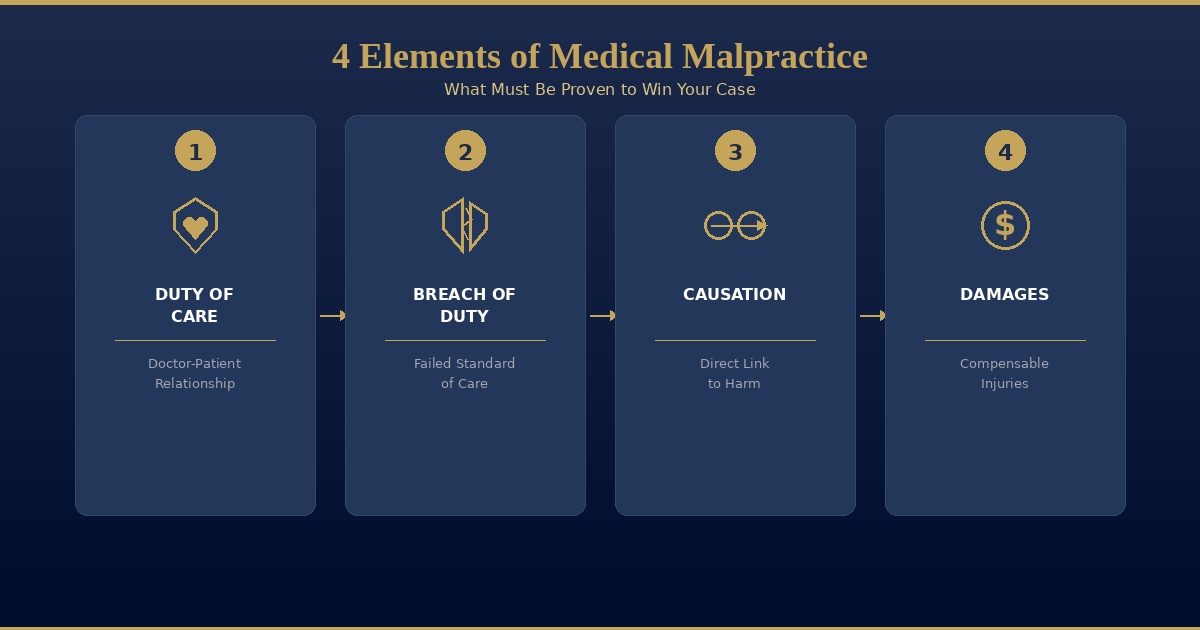
What Four Elements Must be Proven in a Medical Malpractice Case?
Many people want to file a medical malpractice lawsuit if they believe they weren’t treated fairly by a doctor, were given an incorrect prescription, or any other reason. Medical malpractice is simply defined as negligence by any healthcare worker that causes harm to a patient, either physical or emotional. This can happen as a result of a particular act on the part of the healthcare worker or the failure to act when needed.
While the simple definition of medical malpractice might make it seem like it’s easy to win a lawsuit, the truth is it’s much more complicated than that to do. For example, if you or a loved one experienced bedsores during a hospital or nursing home stay, simply blaming the healthcare worker isn’t going to help you win the lawsuit. A bedsore attorney in Nassau County has to help you prove the four basic elements in any medical malpractice case: duty, breach of duty, cause, and damages.

Duty
Duty is the simplest element a bedsore lawyer in the Bronx has to prove. All you have to prove is that the healthcare worker had a duty to provide the patient care. So in a situation where you or a loved one are in a nursing home, the medical staff member has a duty to monitor any preexisting conditions you have and provide the best care possible. And if you’re unable to walk easily due to an injury or disability, they have a duty to move you around as much as possible to prevent bedsores from developing.
The same type of duty must be proven in a hospital facility as well. The nurses and doctors have a duty to care for patients individually and provide the best care they need. Bedsores frequently happen in patients who have had surgery and are unable to get up for several days. A bedsore attorney can evaluate which medical staff member is responsible for allowing the bedsores to develop, which will help prove duty.
Breach Of Duty
Breach of duty can be a little trickier to prove, especially when multiple medical staff members might have provided care to a patient. When you file a medical malpractice lawsuit, you must prove that the healthcare staff member failed in their duty to provide the specific degree of care the patient needed that a similar healthcare professional in the same field would have done in the same situation. A bedsore attorney in Nassau County can identify a breach of duty, but expert testimony is often required to prove it. This means calling a medical professional at the same level to the witness stand to testify about the appropriate standards of care in the situation. Breach of duty can take a little more effort to prove, but a good bedsore attorney can do it with the right expert testimony.
Cause
When proving cause, a bedsore attorney has to prove without a shadow of a doubt that the breach of duty by the healthcare professional caused the injury the patient suffered. The defendant can make many different counterarguments at this stage, so you have to have definitive proof that the specific person the lawsuit was filed against was the reason for the injury. All factors must be evaluated when proving cause, including whether the medical professional acted carelessly or negligently, or failed to act at all. Any patient with preexisting conditions might have to bring forth more proof to the court that those conditions had nothing to do with the new injuries that developed. With a good bedsore attorney that provides plenty of expert testimony, you’ll have a better chance of proving cause.
Damages
When it comes to the fourth element that must be proven in a medical malpractice case, you have to prove that the medical professional’s negligence directly caused harm. These damages can be in the form of physical or emotional injuries, and they could be new injuries or even an extension of a preexisting injury. The court will look at many different factors, including how the damages have impacted your quality of life. For example, if you suffered a significant bedsore that got infected to the point where you had to have a body part amputated, there should be sufficient proof that the medical professional is responsible for those damages. Sometimes the damages are obvious to the court, but other times a substantial amount of evidence needs to be provided, which is when working with the best bedsore attorney is valuable.
Sinel & Olesen, PLLC has helped numerous people in medical malpractice cases. If you need a bedsore attorney with experience to represent you, give us a call and we will provide you with a free evaluation. During the evaluation, we will analyze every aspect of the situation, including your quality of life before and after the incident. We leave no stone unturned in medical malpractice cases and go to great lengths to prove the four elements of a medical malpractice case. We have had many successful medical malpractice cases over the years and we are ready to help you. The first step is to contact us to schedule your free case evaluation and then let our attorneys go to work on your behalf.

3 Common Errors That Home Healthcare Aides Make When Caring for the Elderly
While many elderly Americans spend their later years in nursing homes or residential care communities, the majority of seniors requiring medical care remain at home and receive ongoing care there.
That’s over four million Americans entrusting their health to a home healthcare aide.
While the vast majority receive first-rate service from providers, there are unfortunately many instances of medical error when caring for elderly people at home.
Whether these are due to simple human error, lack of adequate training, or overworked personnel allowing tiredness to get the better of them, these mistakes should not happen.
When they affect elderly loved ones, they are particularly upsetting and can have serious consequences.
The following are three common areas to be on the lookout for if you’ve enlisted the assistance of a home healthcare aide for a loved one.

1. Undernourishment
One of the basic expectations of home healthcare is that your loved one will receive adequate nutrition and hydration from caregivers.
Guidance should be provided by the agency and caregivers should follow the dietary advice of medical professionals such as registered nurses or doctors, as well as receiving guidance from the family.
The home healthcare aide should then provide nutritious meals and enough liquids to maintain good health.
Failure to follow the guidelines can result in undernourishment.
For elderly people, lack of food or failure to provide the right food can result in unwanted weight loss and other health problems that could easily be avoided.
2. Failure to prevent bedsores
Another basic expectation of home healthcare aides is that seniors in their care are assisted with getting the necessary movement each day.
For people confined to a bed or wheelchair, lack of movement can result in sores or pressure ulcers developing.
In the worst cases, these shallow sores can develop and become infected if left untreated.
This can lead to unnecessary pain and discomfort for patients and the need for costly medical attention in the hospital.
Bedsores can take many weeks or even months to heal properly if they become infected.
Major signs of bedsores include:
- Redness and swelling in the affected area
- Tender skin that is hot to the touch
- Visible open sores
Bedsores are completely avoidable with adequate attention from healthcare aides ensuring that patients regularly change position.
3. Failure to prevent falls
Many seniors being looked after at home require assistance with everyday tasks such as going to the bathroom, brushing teeth, bathing, showering, and so on.
Failure to attend to these needs regularly during the day can result in seniors trying to complete difficult tasks themselves.
This can lead to unnecessary falls and injuries.
A careless, negligent or inexperienced home caregiver makes this more likely and it should be treated as a serious form of neglect.
Of course, any major fall for elders can create serious complications, with bones breaking easily and healing times taking much longer than for younger people.
Who’s responsible?
People placing loved ones in the care of a home healthcare agency entrust their medical needs to professionals with the ability to understand what is required.
If suitable care is not provided due to neglect or error, the results can be devastating.
However, cases of abuse and neglect in healthcare environments often go unreported.
One study performed on seniors in New York State found that less than three percent of cases experienced by elders were included in formal reports to governmental agencies.
Agencies sometimes fail to provide reliable and experienced healthcare employees in order to save money or because they are over-stretched.
In New York, home health aides are only required to receive 75 hours of training before they can become certified.
Sending an inexperienced, junior employee does not absolve the agency of responsibility for providing adequate care.
Whether the harm caused is intentional or unintentional, the healthcare agency is responsible and there may be legal steps you can take to claim compensation.
What should you do if an elderly loved one is a victim of negligence?
In most cases, minor home healthcare aide mistakes should be raised with the healthcare aide agency at the time that they occur.
If your claims are dismissed, you do not receive satisfactory explanations, or your loved one suffers from a serious medical or care error, seek counsel from a personal injury lawyer who specializes in medical malpractice cases.
An experienced lawyer can advise you on the recommended next steps to take.

The Causes of Sepsis and Which Ones are From Neglect
If someone you love developed sepsis in a nursing home or hospital, you are likely searching for answers — and you deserve them. Sepsis is one of the most dangerous medical emergencies in the world, and when it develops from a bedsore that should have been prevented or treated, it may be the result of negligence. This page explains what sepsis is, how it connects to pressure ulcers (bedsores), when a facility's failure to act crosses the line into neglect, and what your legal options may be under New York law.

What Is Sepsis?
Sepsis is the body's extreme and life-threatening response to an infection. Rather than fighting an infection locally, the immune system begins attacking the body's own tissues and organs. Blood pressure drops. Organs begin to fail. Without rapid treatment, sepsis can kill within hours.
According to the Centers for Disease Control and Prevention (CDC), sepsis contributes to at least 350,000 deaths per year in the United States. In 2019 alone, more than 201,000 Americans died from sepsis-related causes — and three out of four of those deaths occurred in adults aged 65 and older. For elderly nursing home and hospital patients, sepsis is not a remote risk. It is one of the most common causes of death.
Sepsis is not an infection itself. It is what happens when an existing infection — from a wound, a urinary tract infection, pneumonia, or a bedsore — spirals out of control. The infection enters the bloodstream, triggering a cascade of inflammation throughout the body that can damage the heart, lungs, kidneys, and brain.
Sepsis progresses through three recognized clinical stages, each more dangerous than the last:
- Sepsis: An infection has triggered a systemic inflammatory response. The patient may present with fever, elevated heart rate, and rapid breathing. At this stage, prompt antibiotic treatment and supportive care can often prevent further deterioration.
- Severe sepsis: One or more organs have begun to malfunction. The patient may experience difficulty breathing, low urine output, abnormal liver function tests, or changes in mental status. Mortality rates at this stage reach approximately 25%.
- Septic shock: Blood pressure has dropped to dangerously low levels despite aggressive fluid resuscitation. Organs are failing. The mortality rate for septic shock is approximately 40% or higher, and even survivors may face permanent organ damage, limb amputation, or cognitive impairment.
How Bedsores Lead to Sepsis
Bedsores — also called pressure ulcers or pressure injuries — develop when sustained pressure cuts off blood flow to the skin, usually over bony areas like the sacrum, heels, hips, and shoulder blades. They are overwhelmingly preventable with basic nursing care: regular repositioning, proper nutrition, clean and dry skin, and appropriate support surfaces.
When bedsores are not caught early or are left untreated, they progress through increasingly severe stages. A Stage 1 pressure ulcer involves reddened, unbroken skin. By Stage 4, the wound has eaten through skin, fat, and muscle to expose bone, tendon, or joint. These deep, open wounds become breeding grounds for bacteria.
The path from bedsore to sepsis typically follows this progression:
- Pressure ulcer develops due to immobility and inadequate repositioning
- Wound becomes infected as bacteria colonize the open tissue — especially in unsanitary conditions or when wound care is inconsistent
- Infection deepens into surrounding tissue, potentially causing cellulitis, osteomyelitis (bone infection), or abscess formation
- Bacteria enter the bloodstream (bacteremia), seeding infection throughout the body
- Sepsis develops as the body's inflammatory response becomes systemic and begins damaging its own organs
Research published in the National Institutes of Health found that septicemia was reported in nearly 40% of pressure ulcer-associated deaths. Bedsore complications contribute to approximately 60,000 deaths each year in the United States, with nearly 80% of those deaths occurring in patients over 75. Perhaps most alarming: studies have found that 50% of nursing home residents who died from pressure sore complications died within just six weeks of the bedsore's first appearance.
This is not a slow process. A bedsore can progress from early-stage skin damage to a life-threatening systemic infection in a matter of weeks — sometimes days — if caregivers are not vigilant. The elderly are particularly vulnerable because aging weakens the immune system, thins the skin, and slows wound healing. When these patients are also malnourished, dehydrated, or incontinent — conditions that are themselves often signs of neglect — the risk of a bedsore becoming infected and progressing to sepsis increases dramatically.
The Signs and Symptoms of Sepsis
Sepsis often begins subtly, which makes clinical vigilance critical. Trained medical staff should recognize the early warning signs and act immediately. The symptoms of sepsis include:
- Fever or abnormally low body temperature (above 101°F or below 96.8°F)
- Elevated heart rate (above 90 beats per minute)
- Rapid breathing (above 20 breaths per minute)
- Confusion, disorientation, or sudden mental status changes
- Extreme pain or discomfort disproportionate to the visible wound
- Clammy or sweaty skin
- Decreased urine output
In elderly patients, the signs can be more difficult to detect. An older adult with sepsis may not develop a high fever — their temperature may actually drop. Confusion may be dismissed as dementia. A decrease in appetite or energy may be attributed to "just getting older." These are the situations where trained, attentive caregivers make the difference between life and death.
The progression from infection to sepsis to septic shock can happen in a matter of hours. Every hour of delayed antibiotic treatment increases the risk of death. This is why monitoring protocols in nursing homes and hospitals exist — and why failing to follow them can have fatal consequences.
The Standard of Care: What Facilities Are Required to Do
Federal regulations enforced by the Centers for Medicare & Medicaid Services (CMS) impose clear obligations on nursing homes regarding pressure ulcer prevention and wound care. Under CMS Tag F686, nursing facilities must:
- Assess each resident's risk for developing pressure ulcers upon admission and at regular intervals, using validated tools like the Braden Scale
- Implement a prevention plan that includes scheduled repositioning every two hours, nutrition management, skin inspections, moisture management, and appropriate support surfaces
- Provide prompt and appropriate wound care when a pressure ulcer develops, including cleaning, dressing, debridement when necessary, and infection control
- Monitor wounds regularly and document their size, stage, and healing progress at every dressing change and at least weekly
- Revise the care plan if the wound is not improving or shows signs of infection
- Recognize and respond to signs of infection immediately, including ordering cultures, administering antibiotics, and escalating care when needed
Hospitals and long-term care facilities in New York are held to these same standards — and often higher ones — under state health regulations. A facility that fails to perform even one of these duties is potentially liable for the harm that results.
When Sepsis From a Bedsore Equals Negligence
Not every case of sepsis is caused by negligence. Critically ill patients with compromised immune systems can develop infections despite receiving excellent care. But when a patient develops sepsis from an infected bedsore, the question that must be asked is: was the bedsore — and the infection that followed — avoidable?
Under CMS guidelines, a pressure ulcer is considered avoidable when the facility failed to:
- Evaluate the resident's clinical condition and risk factors
- Define and implement appropriate interventions
- Monitor and evaluate the impact of those interventions
- Revise interventions as appropriate
In practice, the following patterns often indicate negligence:
Failure to reposition patients. Immobile patients must be repositioned at least every two hours. When staffing is inadequate or caregivers are inattentive, patients are left in the same position for extended periods, causing tissue breakdown.
Failure to identify bedsores early. Routine skin assessments should catch pressure ulcers at Stage 1, when they are most treatable. If a bedsore is not documented until it reaches Stage 3 or 4, it suggests the facility was not performing adequate assessments.
Failure to treat infected wounds. When a bedsore shows signs of infection — increased redness, warmth, swelling, drainage, odor, or fever — the facility must act immediately. Delayed wound care, inadequate dressing changes, and failure to prescribe antibiotics are common failures.
Failure to monitor for sepsis. Once a wound infection is identified, staff must monitor vital signs and watch for systemic infection. If sepsis signs appear and staff do not escalate care — transfer to an emergency department, order blood cultures, begin IV antibiotics — the delay can be fatal.
Inadequate staffing. Many nursing homes operate with dangerously low staffing levels. Understaffing is not a defense — it is an institutional choice that directly leads to neglect. The New York Attorney General has sued nursing home operators whose understaffing resulted in residents developing sepsis from untreated bedsores, with residents forced to sit for hours in their own urine and feces while wounds went unmonitored.
If your loved one developed a serious bedsore and then sepsis while in a facility's care, and the medical records show gaps in repositioning, delayed wound assessments, missed signs of infection, or failure to escalate treatment, those failures may constitute medical negligence.
Filing a Claim in New York
New York law provides families with legal recourse when negligence causes serious injury or death. If your loved one developed sepsis from an untreated bedsore in a nursing home or hospital, you may be able to pursue:
A medical malpractice or negligence claim for the physical suffering, medical expenses, and pain caused by the failure to prevent and treat the bedsore and resulting sepsis.
A wrongful death claim if your loved one passed away. Under New York's Estates, Powers and Trusts Law (EPTL §5-4.1), the personal representative of the deceased's estate can file a wrongful death action to recover damages including medical costs, funeral expenses, and the loss of financial support.
Important: New York imposes a two-year statute of limitations on wrongful death claims, measured from the date of death. For medical malpractice claims, the statute is generally two and a half years from the date of the act or omission. These deadlines are strict, and missing them can permanently bar your claim.
The strength of a sepsis negligence case often depends on the medical records. Facilities are required to document wound assessments, vital signs, care plan changes, and clinical interventions. When those records show inadequate care — or when records are suspiciously incomplete — it can be powerful evidence of negligence. An experienced attorney can obtain these records, have them reviewed by medical experts, and determine whether the standard of care was met.
Why This Matters
Sepsis from a neglected bedsore is not an accident. It is the end result of a chain of failures — failures to reposition, to inspect, to clean, to treat, to monitor, and to act. Each of those failures represents a moment when a caregiver could have intervened and did not.
Families who have lost a loved one to sepsis from bedsore neglect are often devastated not just by the loss, but by the realization that it could have been prevented. If your family is in this situation, you are not alone, and you do not have to navigate this without help.
Sinel & Olesen, PLLC represents families throughout New York in bedsore negligence and wrongful death cases. Our attorneys understand the medical evidence, the regulatory framework, and the urgency of these claims. If you believe your loved one's sepsis was caused by neglect, contact us for a free case evaluation.
Sinel & Olesen, PLLC
330 7th Avenue, 10th Floor
New York, NY 10001
Phone: 212-465-1000

Can I Sue if My Parent Falls at Home with a Visiting Nurse or Aide?
You’ve entrusted your parent to the care of a home nurse or home care aide during times when you can’t be there.
Who is at fault if your parent suffers a fall and a subsequent injury?
Where do you stand from a legal point of view?
Do you have the same rights as if your parent had fallen in a nursing home?
In some cases, you may be able to sue the home care agency if you can show that the nurse or aide was negligent and was responsible for the injury and losses caused.

How can falls happen at home?
Without the right supervision, an elderly person can fall just as easily in their own home as in a hospital or nursing home.
Between 50 percent and 75 percent of nursing facility residents fall each year, so it is reasonable to assume that falls at home with visiting nurses or aides are similarly common.
In most cases, they are preventable.
Most commonly, falls occur due to:
- Hazards in the home, such as wet floors, slippery rugs, or exposed electrical cords
- The use of certain medications which affect balance
- Incorrect administration of medicine (under-medicating or over-medicating) causing unnecessary side effects
- General weakness or illness (low blood pressure can cause dizziness, for instance)
- Dementia
- Poor vision
- Inaccessibility of walking aids
- Lack of adequate attention paid by the care worker
- Lack of adequate care taken when moving a patient
- Poor supervision during activities
- Poor lighting
- Lack of handrails
With each of these examples, a professional entrusted to look after your elderly loved one should take adequate precautions to avoid problems.
He or she should be aware of the individual’s condition, risk of falls, and take measures to prevent accidents from occurring like removing hazards and making sure that walking aids are always within reach.
A slip or fall can be serious for any person of any age but, for the elderly and frail, they can be devastating – resulting in bone fractures that can lead to complications and other serious side effects.
Falls at home can lead to extra costs such as additional medical treatment and the need for rehabilitation, as well as the loss of quality of life and pain and suffering.
Is a visiting provider responsible for your parent’s fall?
When you entrust a visiting nurse or aide to look after your parent or other loved one at their home, you sign an agreement and the nursing agency commits to providing a certain level of care.
The very reason for hiring a home nurse or aide is usually to avoid your loved one suffering unnecessary health risks and to maintain a certain level of comfort and confidence in their safety.
Both state and federal law require that nursing agencies maintain certain standards in regard to patient safety and care.
With the duty of care responsibility to look after patients under their supervision, preventing falls should be top of the list for any visiting provider.
A nurse or home help aide should be looking out for the wellbeing of your loved one, watching over and supervising their movements, helping them perform whatever daily tasks they need to perform, and administering medicine and preparing meals as per the terms of your agreement.
Unfortunately, this is sometimes not the case and the duty of care is found wanting.
How to file a claim
Genuine accidents do happen and sometimes they are unavoidable.
However, most falls can be prevented and when you have hired a home nurse or aide in part to prevent serious falls, you should have some legal recourse in the event of negligence.
Just because your parent’s fall happened at home rather than in a nursing home, it doesn’t mean that you are not protected by the same general rules.
The visiting provider is responsible for keeping your parent safe and the agency can be sued if the care worker fails to discharge their duties in accordance with the agreement you have.
Negligence is equally common with home care as it is with nursing homes and, if you can prove it, the nursing or home care agency is unlikely to want to go to court.
So, after your loved one has received the appropriate medical attention, it is important to get the facts of the incident.
Document these, take any photographic or video evidence that may support the facts and then speak with a lawyer if you suspect negligence from a visiting nurse or aide.
While these cases can sometimes be difficult to prove, an experienced attorney who specializes in this type of personal injury will assess your case and be able to guide you through the personal injury claims process.
If the agency sees that you have approached a lawyer, it is more likely to push for a settlement out of court as this is generally less expensive and stressful for everyone concerned.

What to Do If Your Parent Falls at a Nursing Home?
Unfortunately, if your parent is in a nursing home in the United States for an extended period of time, there is a high likelihood that he or she will suffer a fall at some point.
Falls in nursing homes are alarmingly common – and they can be serious, even life-threatening.
In fact, according to the Nursing Home Abuse Center:
- Deaths due to falls in nursing homes constitute 20% of deaths in U.S. adults aged 65 and over – though only about 5% of this age group lives in nursing homes.
- About 10%-20% of nursing home falls result in serious injuries.
- The average rate of falls is 2.6 falls per person in any given year.
- Between 50% and 75% of nursing-facility residents fall each year
So, what should you do if your parent falls at a nursing home?
What steps should you take and are there legal avenues open to you?

Determine what happened and who was at fault
After ensuring that your parent has received the necessary medical attention after a fall, the first thing you should do is to check what happened.
Were there witnesses? What is the staff version of events? What happened according to your parent?
Try to get a precise picture of what happened and, if necessary, take photographs or video to support the story.
Overworked, under-prepared or under-trained staff working excessively long hours is no excuse for your parent falling.
The nursing home undertook a duty of care responsibility when your parent became a resident and the home should not raise the risk for residents by attempting to cut costs.
Nor is it acceptable, for instance, for electrical leads or wet floors to cause a fall for an elderly resident who should have been supervised while walking.
Some cases are obvious and others less so. Conduct a thorough investigation into what happened so that you have a complete picture.
If you start to get a picture of possible negligence from members of staff at the nursing home, the next step is to understand what should have happened to prevent the fall.
Review the nursing home protocols
Once you know the facts about the incident, refer to the nursing home protocols.
One of the main duties of a nursing home is to keep its residents safe and free of risks to their health and wellbeing.
Every nursing home should have a set of rules, systems or guidelines for staff to follow to prevent falls from happening and to take appropriate action in the event of a fall.
The best nursing homes have almost every base covered and train their staff well in following the protocols correctly.
However, that is not always the case, unfortunately.
Usually, the guidelines cover protocols such as:
- Understanding the needs of each individual patient with regards to mobility
- Watching vulnerable residents as closely as possible at all times
- Accompanying high-risk residents when they walk
- Providing residents with walkers or wheelchairs as required
- Reviewing the medications administered for increased risk of dizziness/imbalance/falls
- Providing adaptive equipment like handrails, lowered beds, raised toilet seats, etc.
- Providing hip pads to prevent hip fractures in the event of falls
- Supervising strengthening exercises for residents
Such attentiveness prevents falls from happening – which is the ideal situation. For instance, careful observation of residents may lead to staff noticing changes in walking gait that increase the risk of falls.
If a resident’s dementia worsens, it should be noted that extra care should be taken with that resident.
Preventative measures can and should be taken, according to the most comprehensive nursing home protocols.
However, even in facilities that are well prepared, accidents still happen. So, protocols should include what to do in the event of a fall:
- Assessment procedures
- Identifying the cause of the fall
- Treatment required
- When to call an ambulance, etc., etc.
Any nursing home in the United States has a set of minimum standards to follow to ensure the physical, mental and general well-being of every person residing there. The 1987 Nursing Home Reform Act lays out these guidelines.
However, the nursing home should also have other protocols in place that go above and beyond the minimum requirements.
Understand these protocols first and, if they are not followed and cause your parent to fall or suffer unnecessarily after a fall, consult with a personal injury lawyer experienced in such cases.
Take legal action?
Your consultation with a personal injury lawyer should help you determine whether legal action is the right course to take.
After a fall, your parent may have to pay extra medical expenses and suffer emotional as well as physical pain and suffering.
You may be able to claim compensation for these.
If you have strong evidence that your parent’s fall was due to negligence of nursing home staff and the failure to follow correct protocols, you may have a strong case for damages.
Taking legal action often convinces the nursing home to settle out of court as trials can be expensive, time-consuming, and can easily damage reputations.

What is Stage 4 Bedsore Life Expectancy?
Bedsores are typically easy to prevent and are particularly easy to prevent serious complications. However, people who reside in nursing homes are more prone to getting bedsores due to neglect from nursing home staff. You can always rely on a bedsore attorney in The Bronx, NY if you believe your loved one is experiencing neglect in a nursing home. But it’s also important to know what bedsores are so you can point them out early. Stage 4 bedsores are the most dangerous types and we’ve examined why so you are better informed.

What Causes Bedsores To Begin With?
In most situations, a bedsore attorney indicates bedsore development occurs when people don’t move enough. Nursing home residents often have a hard time moving and they rely on the care person to help them. But when neglect occurs, residents can stay in one position for too long and the pressure on certain parts of the body can restrict blood flow and lead to bedsores. Friction on bed sheets can also rub the skin so much that bedsore development can occur. Bedsores start as a small sore, but can evolve into a more serious issue if left untreated.
Symptoms And Signs Of Stage 4 Bedsores
There are four stages of bedsores a bedsore attorney in Brooklyn will examine in a legal case. The first stage is simply redness on the skin and Stage 4 is when bone or muscle is exposed. A bedsore attorney will typically get involved when bedsores reach Stage 3 because if they have gotten that far, then negligence is usually a factor. Stage 4 bedsores are by far the most dangerous and the signs and symptoms include:
- Exposed bones, ligaments, tendons, or muscles
- Skin discoloration
- Blisters, pus, or drainage
- Hot skin at the wound site
- Odors from the wound site
Stage 4 bedsores are not necessarily life-threatening immediately. However, they can turn that way quickly, so immediate action is needed to treat them effectively. If nursing home staff members don’t take appropriate action, then it’s time to contact a bedsore attorney in The Bronx, NY right away.
What Are The Risk Factors Of Stage 4 Bedsores?
A bedsore attorney in Brooklyn will indicate people with mobility limitations are the most susceptible to reaching Stage 4 of bedsore development. It’s critical to ensure proper blood flow to all areas of the body, especially in elderly people. Some of the conditions that further increase the risk of Stage 4 bedsore development include:
- Poor nutrition
- Diabetes
- Dementia
- Obesity
- Fragile skin
- Fecal or urinary incontinence
Nursing home staff should understand whether a resident has any of these conditions and ensure they receive proper care to prevent bedsores from developing. Anyone can develop bedsores, but people with these conditions are much more likely to reach Stage 4 if they don’t receive the right amount of attention.
Understanding The Life Expectancy Of Stage 4 Bedsores
The life expectancy of Stage 4 bedsores is high, but the caveat is they must be treated effectively for the life expectancy to remain high. With proper treatment, Stage 4 bedsores can heal completely in a span of a few months to up to a couple of years.
The main issue occurs when complications from Stage 4 bedsores are present. These complications include:
- Sepsis development
- Cellulitis
- Cancer
- Blood infections
- Joint infections
- Bone infections
It’s not the bedsore itself that is life-threatening. It’s the complications that can occur from it when it doesn’t receive appropriate attention. Anyone who experiences these complications needs to receive immediate medical attention or their life expectancy will drop significantly. And depending on how the nursing home staff handles the situation, a bedsore attorney might need to get involved.
Proper Treatment Is Crucial
Bedsores need to be treated right away. When caught early in their development, they should never reach Stage 4. However, once bedsores reach Stage 2 or higher, medical treatments are needed to prevent further development. Nursing home residents need a lot of attention when they have Stage 4 bedsores. Medical professionals should administer antibiotics as needed to prevent the area from getting infected. And sometimes damaged tissue from the area needs to be removed.
Nursing home staff should prioritize moistening the wound as needed so healing conditions are as ideal as possible. They should also relieve pressure from the area at all times so the wound does not get any worse. Proper hydration and nutrition are also essential to give the body what it needs to fight off any infections. Without these treatments, surgical intervention could be necessary.
When To Seek Legal Assistance
It’s important to confront nursing home employees at the first sign of bedsore development. Monitor their actions and inactions after this and document them all. The hope is the professionals will treat the area appropriately, but it’s important to have a bedsore attorney on standby just in case. Treatments and appropriate care can get very expensive when bedsores reach Stage 4. And if negligence from the nursing home played a role in Stage 4 bedsore development, then you shouldn’t be on the hook for the expenses.
Sinel & Olesen, PLLC is here to protect you and your loved ones from nursing home negligence that occurs too often. The earlier you contact our office, the earlier we can intervene if needed and potentially save the life of your loved one. You should be able to expect nursing home staff to care for your loved one appropriately, but the reality is it doesn’t happen enough. We are available at your disposal, so don’t hesitate to contact us when you need a bedsore attorney you can trust.

How to Find Out If a Doctor Has Been Sued for Medical Malpractice
When you or a loved one are preparing for medical treatment, you might want to research the doctor beyond their education and professional experience. Knowing whether they’ve been involved in a medical malpractice lawsuit could change your mind about using them. There are a couple of ways you can search for this information, but the most efficient way is to work with a bedsore attorney in Nassau County. Here’s what you need to know.

How To Search Online For Civil Court Records
Anyone can search through public court records and find out any information they want about their doctor. The challenging part about this is you may have to search through several different databases to get your doctor’s full legal history. One thing a NY bedsore lawyer in Suffolk County will caution you on is doctors are sued for medical malpractice all the time. So there’s a chance you’ll find out your doctor was sued, but court records could just as easily show they were not liable for any type of wrongdoing.
Check The New York Department of Health Records
The New York Department of Health provides information about any licensed doctor in New York. You can find out about a doctor’s credentials, education, professional experience, and whether they’ve been involved in any medical malpractice cases. While it’s a helpful database, the average person still might not be able to find everything they are looking for about a particular doctor.
Seek Assistance From A Reputable Attorney
The best way to learn about a doctor’s legal history is to work with a bedsore attorney. When you engage in research on your own, you can find yourself going down a long road full of information that might not be relevant to what you’re looking for. A bedsore attorney can sort through the information and only pick the relevant issues and present them to you so you can make an informed decision about your medical care.
Sinel & Olesen, PLLC can help you file a new medical malpractice lawsuit or get more information about a doctor so you can avoid a potential lawsuit. It’s important to note that many doctors will have a lawsuit filed against them, but this doesn’t mean they were found liable for wrongdoing. We will dig into the details about the doctor of your choosing so you can know exactly what their history is. If you have any questions or need any further assistance, don’t hesitate to contact us at any time.

How Much is an Average Bedsore Lawsuit Settlement?
The prevalence of elderly and immobile individuals suffering bedsore wounds in nursing homes and other care facilities in New York might shock some people.
It’s far common than most imagine and the resulting injuries can be far more extensive than you think, leading to muscle, bone degeneration, nerve damage, and even death.
Growing awareness of the problem is leading to increasing numbers of bedsore lawsuits.
If you or a loved one have suffered bedsores due to the negligence of caregivers – whether at home or in a nursing or health facility – you may be entitled to compensation for the losses and pain and suffering caused.
You should not be out of pocket because of the negligent or reckless actions of others.
But how much is the average bedsore lawsuit settlement?
What can you expect if you sue a nursing home, hospital or care agency for losses experienced due to bedsores?
Factors that affect a bedsore settlement
Bedsores can lead to a range of undesirable consequences, most notably:
- Excessive medical bills to treat the bedsores
- Inconvenience – frequent trips to the hospital for treatment of the wounds
- The possibility of serious infections that are difficult to treat
- Physical pain and suffering
- Mental and emotional pain and suffering
- Death
Victims often mistakenly believe that bedsores are part of the risks of having to remain in bed for a lengthy period of time.
However, a care facility has a duty to ensure that a patient receives adequate daily movement, just as they must ensure adequate nutrition, a hygienic environment, etc.
Being understaffed or failing to provide adequate training does not absolve the facility of this duty of care.
Bedsores and many potentially serious consequences associated with bedsores can result from negligence.
If you and your bedsore lawyer agree to pursue a lawsuit, the following factors will affect your settlement:
- The extent of the physical pain and suffering experienced
- The extent of emotional pain and suffering
- The amount of medical care required (and the associated bills)
- The need for future rehabilitation or disability care
- Whether there has been any lasting damage to health
- The age of the patient
The most important factor is the extent of the injuries caused. To assess this, we can consider the standard four stages of bedsores:
- Stage 1: Redness, sensitivity, and heat in the affected area (but no skin loss)
- Stage 2: Skin loss affecting all the layers of the epidermis and potentially causing serious infections
- Stage 3: Complete destruction of the skin and necroses of the underlying tissue
- Stage 4: Destruction of the underlying muscle tissue and bone degeneration, with potential nerve damage and even paralysis resulting
As you can see, bedsores are more than simple surface wounds resulting in discomfort. Not only can the pain be excruciating; the secondary effects of bedsores can result in serious injuries and permanent disability requiring round-the-clock care.
Bedsores, therefore, need urgent treatment early on to prevent more serious effects developing.
The greater the negligence the greater the potential for injury; and the greater the extent of the bedsores, the greater the settlement you can expect from a lawsuit.
Average bedsore settlement
Damages awarded in bedsore lawsuits punish the negligent, at-fault party so that similar harmful acts can be prevented in the future.
The extent of these damages varies greatly from case to case as every bedsore lawsuit is unique.
Because the factors vary in every case, a qualified bedsore attorney will need to assess these factors in order to provide an accurate indication of what a bedsore settlement may be worth.
A quick review of the facts of your case should yield the information needed to provide an approximate estimate of the settlement you can expect from a lawsuit. However, a thorough evaluation will ultimately be needed if you decide to pursue legal action.
It is informative to look at some examples as we consider an average bedsore lawsuit settlement in the U.S. Following are some indicative figures:
- In cases where bedsores are caused by neglect but the patient recovers relatively quickly, a bedsore lawsuit settlement may be in the region of $150,000 – $300,000
- In cases where bedsores lead to infection and hospitalization, a bedsore lawsuit settlement may be in the region of $500,000 or more
- In cases where patients have Stage 4 bedsores that lead to considerable pain, suffering and permanent long-term harm, the settlement range may be significantly higher than $500,000
- In cases where serious bedsores can be shown to have directly contributed to a person’s death, a wrongful death lawsuit may be brought by the surviving family members that may be worth up to $1 million (especially if the patient was not considered elderly)
A settlement’s value will depend on the age, severity, period of pain and suffering, and subsequent complications.
Do you have a case for a bedsore lawsuit?
Sinel & Olesen, PLLC represents families whose loved ones have been the victim of bedsores.
Because of the large sums potentially involved in bedsore lawsuits, large care facilities and hospitals usually have teams of lawyers representing them. It can be challenging to stand up to them.
We provide the support you need to get what you deserve.
Start with a free consultation with one of our bedsore lawyers.
Get a Free Consultation Today
If you or a loved one has suffered from preventable bedsores, contact us now for a free consultation.